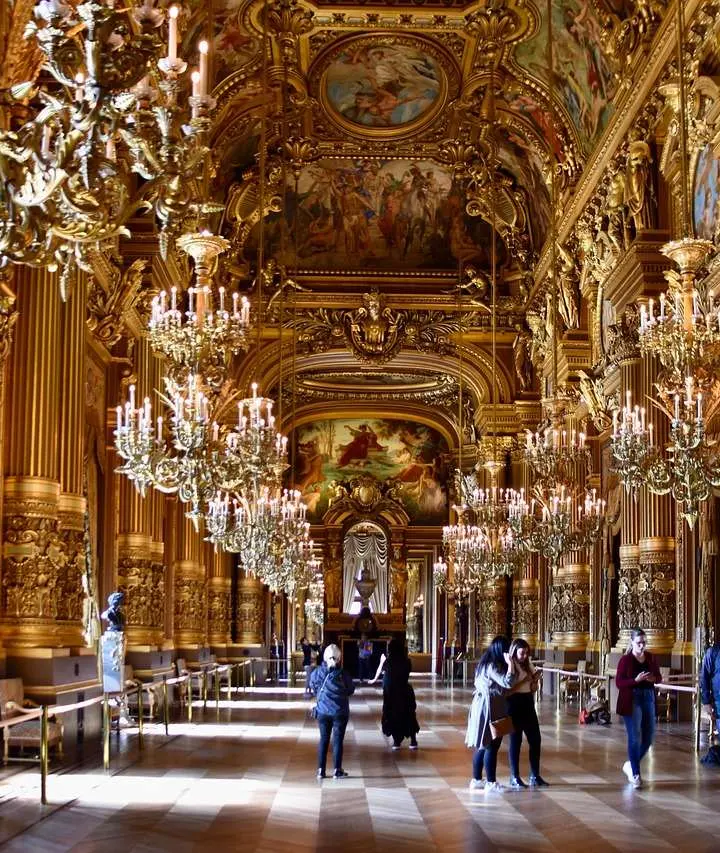
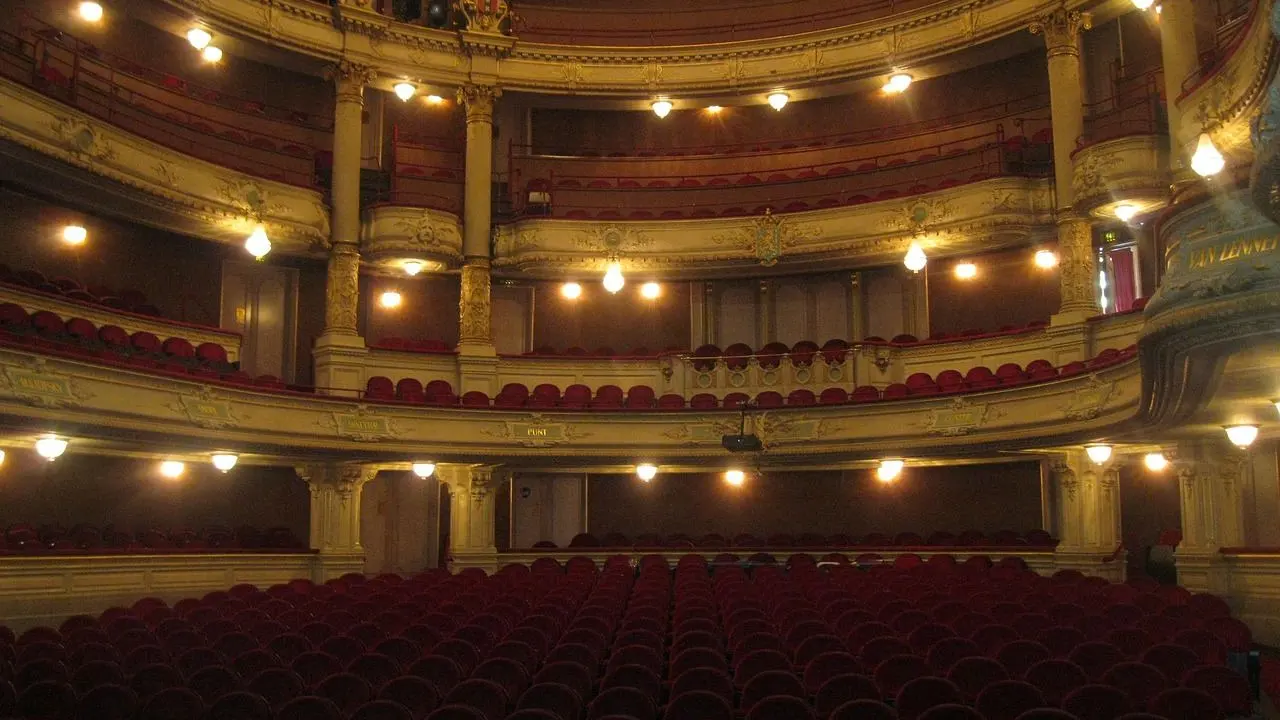
Nervous about your first night out at the opera? Here is what to expect at your first opera: roughly two to three hours of live music, no strict dress code and English translations above the stage.
This guide is part of the site’s live music coverage.
| Item | What to expect |
|---|---|
| Typical length of an opera | Two to three hours |
| Dress code | None at Minnesota Opera |
| Suggested arrival | At least 30 minutes before curtain |
| Translations | English, projected above the stage |
| Pre-show talk | Free half-hour session before each performance at Minnesota Opera |
The figures come from Minnesota Opera’s first-timer’s guide and UNCSA’s first-time opera tips. Details differ between companies and can change, so check the source and your venue before you rely on them.
Choose a show and do a little homework
You do not need to be an expert, and you do not need to study for hours. UNCSA’s guide suggests spending a few minutes reading a short summary of the opera before you go, so you can follow how the music, characters and staging shape each moment. UNCSA adds that opera was created for everyone, not only for experts.
A little preparation goes a long way. Three easy steps:
- Read a plot synopsis. Playbill’s guide to the Metropolitan Opera says to go ahead if you are not bothered by spoilers.
- Listen to a key aria or two from the show. You may be surprised by how much you already know.
- Check whether the company runs a talk before the show. At Minnesota Opera, these free, half-hour sessions are called Opera Insights.
Language is rarely a barrier. Minnesota Opera says that with English translations projected above the stage, watching opera is as easy as watching a foreign film. You can read more in its first-timer’s guide.
What to expect when you arrive: how early to get there
Plan to arrive at least 30 minutes before curtain, as UNCSA recommends, so you can find your seat, skim the program and settle in without rushing. Extra time also helps if you want to use the restroom or check a coat.
If it is your first visit to the building, go earlier still. Indianapolis Opera suggests early arrival to navigate parking, people-watch and visit the bar, as well as to catch any lectures or panel discussions.
Late arrival can cost you the opening. Minnesota Opera says performances start promptly and, once the doors close, latecomers are not seated until an appropriate break in the action. Indianapolis Opera likewise asks late guests to wait a few minutes so the dark theatre stays safe and distractions are kept low, as described in its etiquette page.
What to wear without overthinking it
There is usually no dress code. Minnesota Opera describes a typical night as not a formal event, and says many people dress up for a big night out while just as many come in khakis or jeans. Its guide also says opening night of a season can bring evening gowns and dinner jackets.
A few simple rules cover almost every situation:
- Dress as you would for dinner with friends, as the Utah Symphony | Utah Opera etiquette guide suggests.
- Aim for “elevated but comfortable” and bring a layer, since theatres can feel cool.
- Skip anything that could block the view of the people sitting behind you.
- Expect the crowd to dress a little fancier on opening nights.
Coming straight from work is fine too. The Utah guide says business casual, scrubs or a suit all work. A separate guide on what to wear to the opera covers outfits in more detail.
How the evening unfolds
The show begins with the overture, the instrumental music that comes before the action on stage. Indianapolis Opera notes that the audience applauds when the conductor takes position in the orchestra pit, and the performance has then begun.
Everything you hear is live. UNCSA points out that there are no microphones or amplification, just the singers’ natural voices and the orchestra filling the theatre. Many works are sung in another language, so projected supertitles carry the English translation.
Expect an evening of about two to three hours. Some productions are shorter, at around 90 minutes with no intermission. For a deeper look at timings, see the guide on how long is an opera.
Some titles run far longer. Playbill’s September 2024 guide to the Metropolitan Opera warns that four-plus hour run times can daunt new opera-goers, and it listed these shorter options:
- Fidelio: 2 hours 40 minutes
- Grounded: 2 hours 20 minutes
- Salome: 1 hour 50 minutes
- Ainadamar: 1 hour 35 minutes
Check the listed run time before you book, especially if you have plans afterwards. Indianapolis Opera also mentions that opera glasses, small binoculars for a closer look, are purely a personal preference.
When do you clap, and what should you avoid?
Opera is more relaxed about applause than a symphony concert. Minnesota Opera says it is customary to clap after well-executed solos and small ensemble numbers, much like at a jazz performance. If you are unsure, UNCSA’s rule is simple: wait and follow the crowd, since many audiences clap at the end of big arias and always at the end of each act.
If you loved a performance, you can shout. Minnesota Opera says it is perfectly acceptable to call “Bravo!” or “Brava!” for individual performers, or “Bravi!” for everyone.
Reactions are welcome too. The Utah guide points out that opera can be funny, and that laughs or gasps from the audience are no surprise, and the singers and pit musicians enjoy hearing them.
The real etiquette is about not disturbing your neighbours:
- Silence your phone completely before the opera begins, and keep screens dark, because screens give off more light than you would think in a darkened theatre.
- Avoid talking, humming and rustling. The Utah guide notes the acoustics cannot tell music from a candy wrapper, so unwrap cough drops beforehand.
- Step out only at intermission whenever possible.
Frequently asked questions
Do I need to know the story or the language?
Show answer
No. Minnesota Opera says you do not need extensive background knowledge, and English translations are projected above the stage. A short synopsis beforehand still helps you feel oriented.
Can I bring children?
Show answer
It depends on the show. Ask the box office about age recommendations first.
How much do tickets cost?
Show answer
Prices vary widely by company and seat. In its September 2024 guide, Playbill reported Metropolitan Opera tickets at the back of the family circle for around $40, and mentioned a day-of online rush and student performances as other affordable routes.
Can I eat or drink during the show?
Show answer
Rules differ by venue. Indianapolis Opera allows beverages and snacks bought on site to be taken into its theatre, whereas the Utah guide says eating and careless noise distract performers and audience alike. When in doubt, finish your snack in the lobby.