Nervous about your first night of live music? You don’t need special knowledge: arrive early, silence your phone, wear something comfortable and clap when others do. The rest is simply enjoying it.
| Item | Value |
|---|---|
| Typical length of an opera | Two to three hours |
| Suggested arrival before curtain | At least 30 minutes |
| Minnesota Opera lobby opens (Ordway) | One hour before the performance |
| Children welcome at most Minnesota Opera performances | Six years old and up |
| Shorter opera productions | Around 90 minutes, no intermission |
These figures come from Minnesota Opera’s first-timer guide and UNCSA’s first-time opera tips. Every venue sets its own times and rules and figures can change, so check the source and your venue before you rely on them.
Why live music feels different from a recording
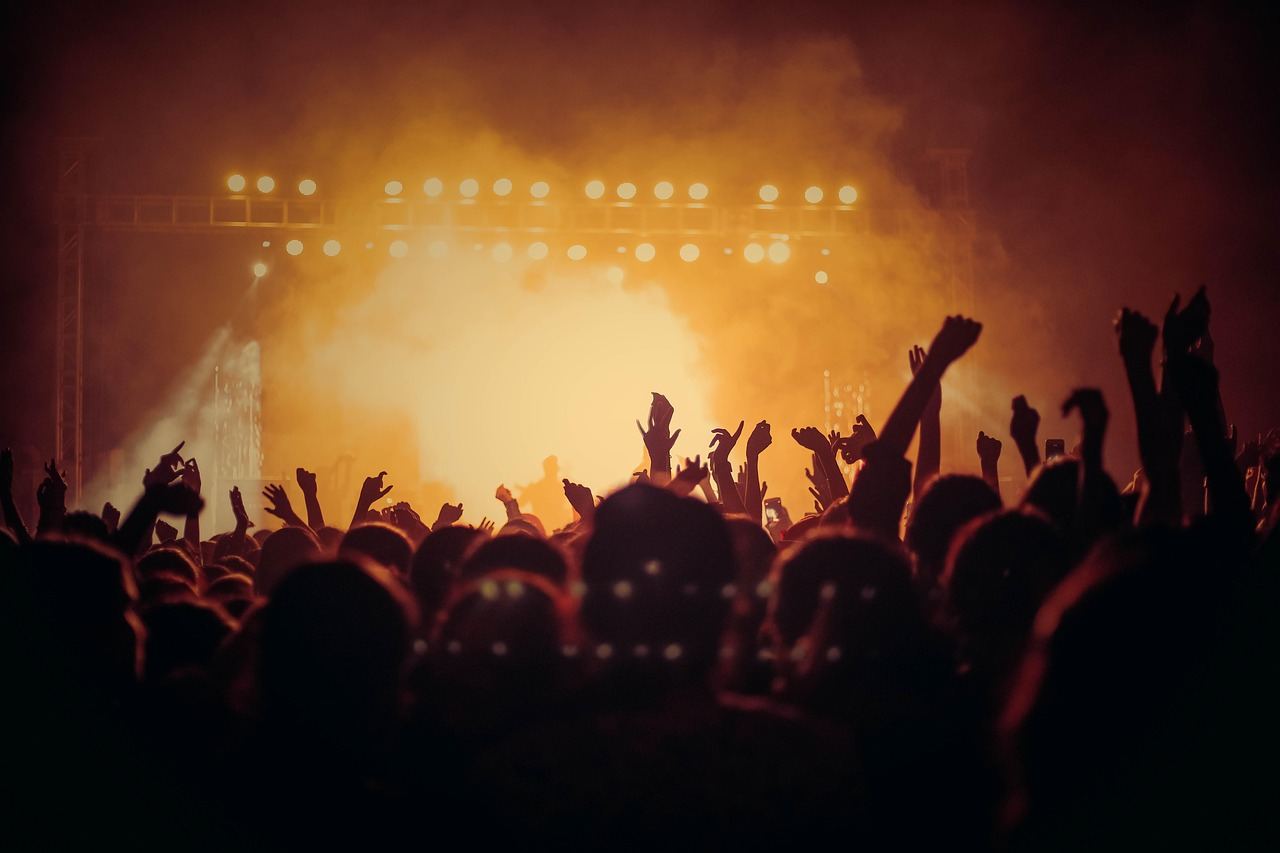
What sets live music apart is that it happens once, in the room, with you in it. UNCSA’s guide says watching opera live is a completely different experience than listening to a recording or streaming it online, because the scale, sound and emotion create an energy that recordings can’t replicate.
At the opera, the sound is also unamplified. According to the same guide, there are no microphones or amplification, just the performers’ natural voices and the orchestra’s sound filling the theatre.
Audience habits have changed a great deal over time. Utah Opera’s etiquette primer notes that Mozart himself would have expected food, drink, gossip and a rowdy 18th-century crowd. Today’s quiet, attentive listening is a later custom, which is why the rules can feel unwritten to newcomers.
If the voices are what draw you in, the hub on opera singers is a good place to go next. The practical advice below applies whether you are headed to a recital, an orchestra concert or a full staging.
Planning your visit: arrival, timing and children
Aim to be there early. UNCSA suggests arriving at least 30 minutes before curtain so you can find your seat, skim the program and get settled without rushing.
Smaller venues may ask for a little less. The Wisconsin Union Theater’s audience guide asks for at least 15 minutes early, and more if your seat isn’t assigned or you are driving, since campus parking is limited.
Lateness has real consequences. Minnesota Opera’s guide says performances start promptly and, once the doors close, latecomers are not seated until an appropriate break in the action. At its Ordway venue the lobby and concession stands open one hour before the start, so there is time to settle in.
Early arrival gives you time to:
- find your seat without squeezing past people mid-performance;
- skim the program or read the synopsis;
- use the restroom;
- check a coat, which UNCSA lists among the reasons to allow extra time.
How long will it last?
Minnesota Opera says an opera usually runs between two and three hours. UNCSA puts most full-length operas at about two and a half to three hours including intermissions, while some productions run around 90 minutes with no intermission. The guide on how long is an opera looks at timings in more detail.
Where you sit changes the evening too, and the notes on the best seats at the opera weigh the trade-offs between view, sound and price.
Bringing children
Minnesota Opera says children six years old and up are welcome at most performances, though some shows are not recommended for younger children. The Bozeman Symphony’s concert guide adds that family concerts tend to be shorter and less formal, which suits children who find it hard to sit still for long.
What to wear to a performance
The honest answer is whatever is comfortable. Minnesota Opera says a typical night at the opera isn’t a formal event and there’s never a dress code, though opening nights may bring evening gowns and dinner jackets. For more on outfits, the guide to what to wear to the opera covers the details.
A few practical pointers from the venue guides:
- Utah Opera suggests using your personal dress code for dinner with friends as a guide.
- UNCSA says to aim for “elevated but comfortable” and bring a layer, since theatres can feel cool.
- Coming straight from work is fine; business casual, scrubs or a suit all work.
- Skip anything that blocks the view of people behind you. The Bozeman Symphony specifically mentions large hats.
- For outdoor concerts, take the weather and temperature into account.
Dressing up is welcome too. If you want to wear a formal dress and your best jewelry, Utah Opera’s primer says go ahead, and bring your opera glasses.
Etiquette: phones, noise and applause
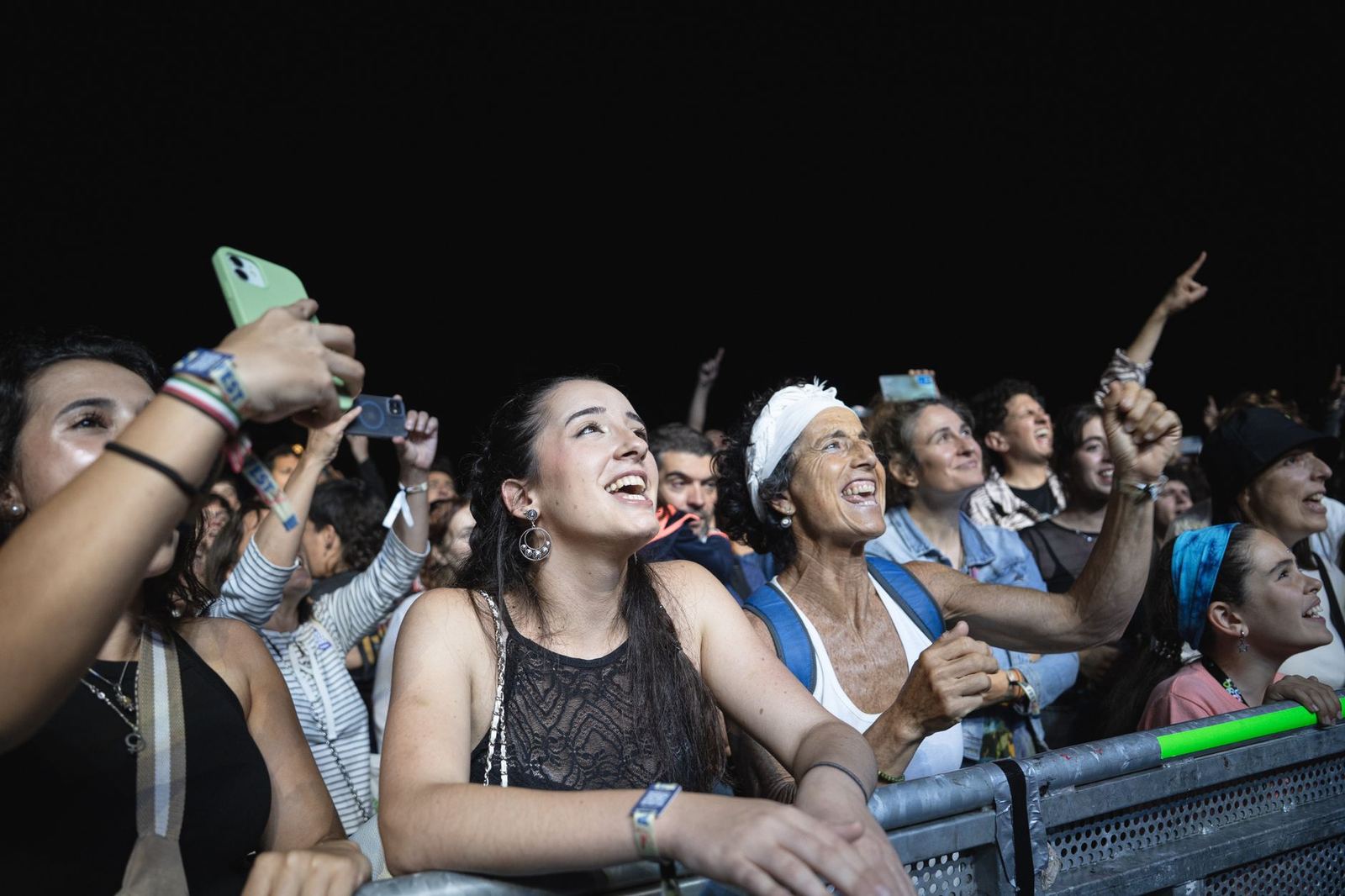
The basics of concert etiquette come down to one idea. Utah Symphony | Utah Opera’s concert guide puts it as “respect the people around you, relax, and enjoy some incredible music”.
Phones, noise and food
Sound carries in a concert hall, and light does too. Utah Opera warns that phone screens give off more light than you’d think in a darkened theatre.
- Silence everything. The Des Moines Symphony’s five-step guide says Airplane Mode is a great option if you can’t power off.
- Include your watch. The Wisconsin Union Theater asks you to silence smartwatches and other devices that could light up or make a sound.
- Unwrap early. Utah Symphony | Utah Opera suggests unwrapping cough drops, and putting your coat and purse under your chair, before the concert starts.
- Save the chat. Even a whisper carries in a resonant hall, according to the Des Moines Symphony.
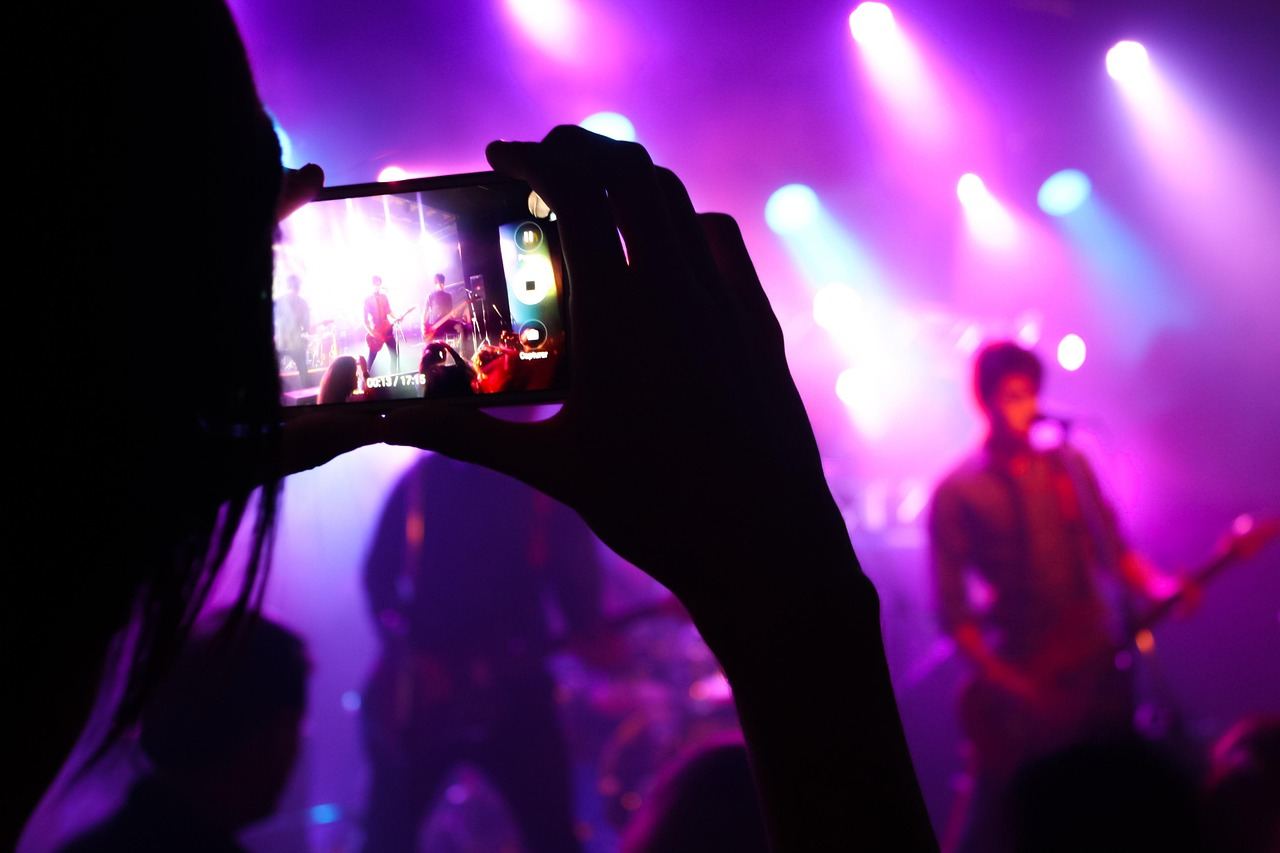
Photography is a separate question. The Wisconsin Union Theater notes that most artists do not allow photo or video recording, so listen for the announcement at the start. If photos are allowed, turn off the flash and don’t block anyone’s view.
Needing to leave is sometimes unavoidable. If nature calls, the Wisconsin Union Theater advises waiting for a transition between pieces or the intermission. If you can’t stop coughing, the Des Moines Symphony says it may be best to step out so you can catch your breath without distracting others.
Amplified shows raise a different concern for your ears. Before a loud gig, read up on how to protect your hearing at concerts.
When to clap
Applause customs depend on the genre, so watch the room. At the opera, Minnesota Opera says, unlike at the symphony or at a recital, it is customary to clap after well-executed solos and small ensemble numbers, much like at a jazz performance. If you really loved it, it’s perfectly acceptable to shout “Bravo!” or “Brava!” for a performer.
At an orchestra concert the custom is different. Utah Symphony | Utah Opera says it is customary in the modern orchestra concert to hold your applause until the very end of the piece, and the Bozeman Symphony offers a simple rule: clap when the conductor lowers their arms.
This was not always so. The Bozeman Symphony notes that when Beethoven premiered his Symphony No. 7 in 1813, the audience demanded an immediate encore of the second movement. If you do clap early and others join in, nobody minds; if you’re unsure, wait until someone else starts.
Encores, jazz and other genres
Sometimes loud, long applause and a standing ovation will bring an encore, another short piece, according to the Wisconsin Union Theater. If you must leave before it, that is perfectly acceptable.
The same guide adds that some genres lend themselves to standing, dancing, clapping or singing along. Artists often feed off that energy, but you should not feel obligated to join in.
Opera and classical concerts: getting your bearings
At the opera
You do not need background knowledge. Minnesota Opera says you don’t need extensive knowledge of opera to attend, and there is no right or wrong way to prepare, whether you prefer a surprise or want to study the plot first. For a walk through the evening, see what to expect at your first opera.
Language is rarely a barrier. Minnesota Opera says English translations are projected above the stage for every performance, and UNCSA calls them supertitles. If the term is new, what are opera surtitles explains how they work.
Still, UNCSA recommends spending a few minutes with a short summary beforehand. Knowing the plot helps you follow the action and see how music, characters and staging work together.
At an orchestral concert
The program is your map. Utah Symphony | Utah Opera explains that many works have several movements and that each movement is listed in your program, which helps you know when a piece has really ended. A guide on how to read a concert program covers the rest of what you’ll find on the page.
The Wisconsin Union Theater adds a useful cue: if musicians stop playing but stay seated and don’t look up at the audience, the piece is not yet over. Much of this carries across classical music generally, from chamber recitals to full symphonies.
Getting more from the evening
Many companies run pre-performance talks that are free for ticket holders or open to all, depending on the venue. Minnesota Opera’s Opera Insights are half-hour sessions held one hour before curtain, and Utah Opera’s Opera Preludes lecture is also held one hour before each performance for ticket holders.
Orchestras do something similar. The Utah Symphony hosts a presentation 45 minutes before each Masterworks concert, and the Des Moines Symphony points listeners to its Concert Prelude Talks and program notes. Utah Opera also offers a question-and-answer session after each performance.
If your attention drifts, give yourself a small task. The Des Moines Symphony suggests asking yourself questions about the music, such as which part or instrument you liked best. It is a simple way to stay engaged, and it keeps your phone in your pocket.
Frequently asked questions
Is there a dress code for live music events?
Show answer
Not at most classical venues described here. Minnesota Opera says there’s never a dress code, and Utah Opera suggests dressing as you would for dinner with friends.
When should I clap?
Show answer
At the opera, clapping after solos and small ensemble numbers is customary. At an orchestra concert, hold your applause until the end of the piece, or clap when the conductor lowers their arms. If you’re in doubt, wait for others.
Can I take photos during a performance?
Show answer
Usually not. If photos are allowed, turn off your flash.
Do I need to know the story before an opera?
Show answer
No. Minnesota Opera says English translations are projected above the stage for every performance, so you need not learn the story ahead of time. A short synopsis can still help, as UNCSA suggests.