
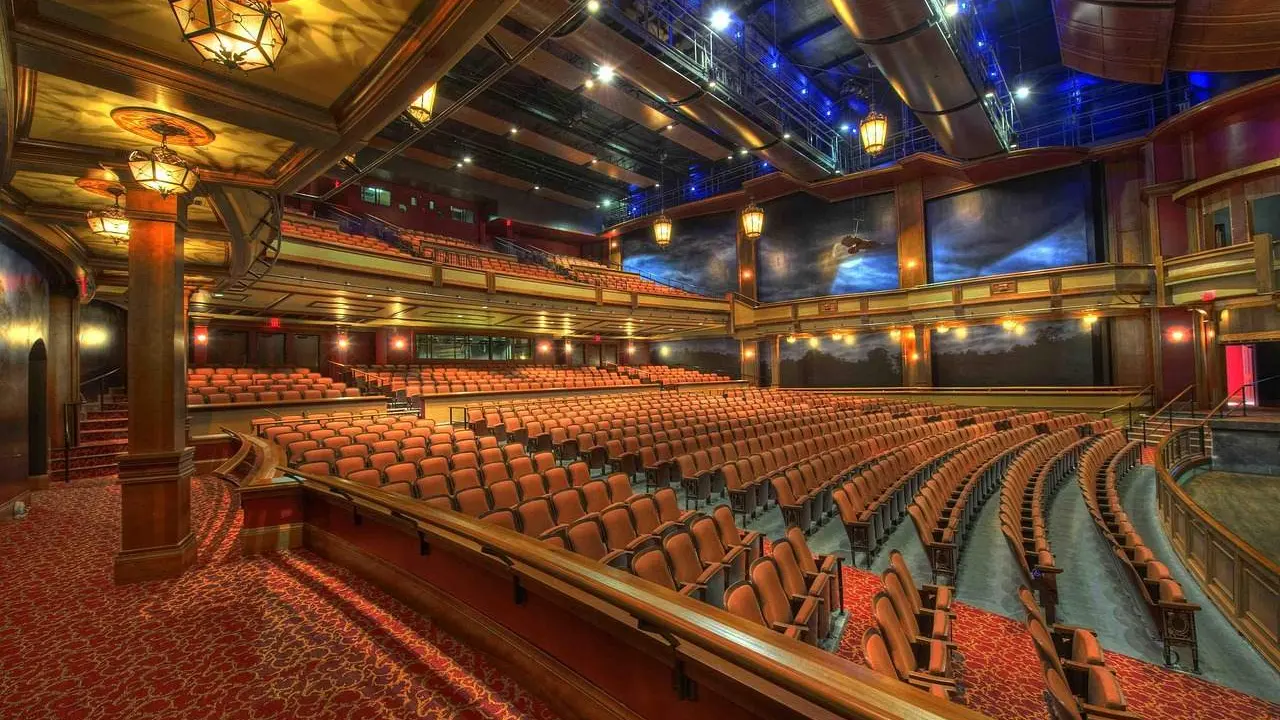
Nervous about your first night at the opera or symphony? Good concert etiquette is mostly respect: silence your phone, stay quiet while the music plays, arrive on time, and wait for the right moment to clap.
For more on going to performances, browse the live music section of this site.
| Item | Value |
|---|---|
| Pre-concert talk before Utah Symphony Masterworks concerts | 45 minutes before the concert |
| When to applaud at an orchestra concert | After the very end of the piece |
| Phones and alarms | Silenced before the concert begins |
| Late seating | Not always available; at a pause in the program |
| Applause after every section was customary | Until the late 19th century and into the 20th century |
These figures come from the Utah Symphony and Lansing Symphony Orchestra etiquette guides. Venues set their own rules and these can change, so check the source and your venue before you rely on them.
Why concert etiquette exists
At classical concerts, the cardinal principle is to let others listen to the music undisturbed. Wikipedia’s entry on concert etiquette points out that instruments and voices are typically unamplified, and that the music is rich in detail and includes passages played very softly.
Halls are built so the music seems to surround you, but those acoustics work against noise too. The Utah Symphony’s guide notes that a hall cannot tell an orchestra from a candy wrapper or a dropped program.
The rules have not always been this strict. The same Utah Symphony guide says Mozart would have expected food, drink, gossip and a rowdy 18th-century crowd.
Audiences could be far worse than a ringing phone. Wikipedia records that a Paris performance of Wagner’s opera Tannhäuser in 1861 was deliberately sabotaged by audience members bringing noisemakers.
Before you go: dress, timing and coats
You do not need formal clothes. The Utah Symphony says you can wear whatever is comfortable, and suggests your usual dress code for dinner with friends as a guide. If a gala night tempts you to dress up, read about what to wear to the opera for more ideas.
Wikipedia adds that expectations may still be very formal for special events, events that are difficult to attend, or those in traditional venues. A quick look at your venue’s website or ticket will tell you which kind of evening to expect.
Aim to be in your seat before the music begins. Wikipedia notes that late arrivals wait until a break between pieces allows seating by an usher, and the Lansing Symphony Orchestra warns that late seating is not always available at all performances.
A few small habits make the evening smoother for you and your neighbors:
- Unwrap cough drops, turn off your phone, and put your purse and coat under your chair before the concert starts, as the Utah Symphony suggests.
- Leave bulky coats in the venue’s cloakroom rather than in the aisle or on your seat, according to the Gentleman’s Gazette.
- Have a snack before the concert or at intermission, because the Lansing Symphony Orchestra does not permit eating or drinking inside its auditoriums.
- Rise to let others pass if you are physically able, which the Gentleman’s Gazette calls good etiquette.
During the performance: phones, noise and coughs
Your phone is the biggest risk. The Utah Symphony asks you to silence cell phones, alarms and other audible devices before the concert begins, and warns that phone screens give off more light than you would think in a darkened hall.
The Des Moines Symphony advises that if you cannot power your phone off, you should at least make sure the ringer is silenced, not just on vibrate. It calls Airplane Mode a great option.
At opera the stakes are higher still. The Gentleman’s Gazette points out that because there is no amplification at most stage plays or operas, phone notifications and ringtones are extremely disruptive.
Sound travels in a quiet hall, so keep these in mind:
- Whispering: the Des Moines Symphony says not to talk during the performance, even if it is just a whisper.
- Humming along: an Interlude essay says hearing your seat-mate hum along to a Lieder singer would be an affront.
- Rustling: candy wrappers and dropped programs carry as far as the music does.
If a cough will not stop, leave quietly. The Lansing Symphony Orchestra calls it perfectly acceptable, even extraordinarily polite, to excuse yourself until you feel better, and the Des Moines Symphony agrees that stepping out is best.
When should you clap?
The usual answer is to wait until the piece is over. The Utah Symphony describes it as customary in the modern orchestra concert to hold your applause until the very end of the piece, and the Lansing Symphony Orchestra suggests counting the movements in the program and applauding after the final one.
Some composers make this harder. The Lansing guide notes that Beethoven goes from the third to the final movement of his 5th Symphony without any pause.
If you are unsure whether the piece has ended, work through these steps:
- Check your program to see how many movements the work has.
- Watch the conductor. When they put their arms down and turn to face the audience, the piece is over.
- If the conductor’s hands stay in front of them, the orchestra is getting ready to continue.
- Still in doubt? The Des Moines Symphony says to wait for someone else to clap.
Habits have shifted over time. The Lansing guide says it was customary to applaud after every section until the late 19th century and even into the 20th century, and Wikipedia describes applause between movements in the 2020s as usually something of a faux pas, though a minor and well-meaning one. The Utah Symphony adds that this is not a hard and fast rule, so a spontaneous burst of clapping after a movement that moved you is okay.
How etiquette changes for opera, sacred works and other genres
Opera shares the quiet-hall rules of the concert hall, and its singers are usually unamplified, so every cough and ringtone carries. Beyond that, check the venue’s guidance, because customs differ by house and by work.
- Sacred works: Wikipedia notes that sacred works offered as worship are not applauded.
- Jazz clubs: Wikipedia says discussion between audience members is common, so long as it does not distract other listeners.
- Amplified gigs: the rules relax, but loud shows bring other risks, so read about how to protect your hearing at concerts before you go.
If the rules still worry you, the Utah Symphony offers one reassuring summary: respect the people around you, relax, and enjoy some incredible music.
Frequently asked questions
Do I have to dress up for the symphony or opera?
Show answer
No. The Utah Symphony says you can wear whatever is comfortable, from business casual to evening wear. Check your venue’s own guidance for special galas.
What if I cannot stop coughing?
Show answer
Step out of the auditorium until you feel better. The Des Moines Symphony says this is better than distracting others, and unwrapping cough drops before the music starts helps too.
Is it wrong to clap between movements?
Show answer
It is usually seen as a minor, well-meaning slip rather than a serious one. To avoid it, wait until the conductor lowers their arms and turns to face the audience, or until others begin to clap.
What if I know nothing about the music?
Show answer
Arrive early and use the pre-concert resources. The Utah Symphony hosts a talk 45 minutes before its Masterworks concerts, and the Des Moines Symphony suggests reading the program notes.