Worried a loud night out could leave your ears ringing? Here is how to protect your hearing at concerts: wear earplugs, stay away from the speakers and take breaks from the noise.
This guide sits within our wider live music coverage, so you can read on for more on attending performances.
| Item | Value |
|---|---|
| Cut-off between safe and potentially unsafe loudness | 85 dBA |
| Safe exposure at that level (NIOSH, as quoted) | 8 hours per day |
| Level measured at the Dutch festival study | 100 dBA over a four-and-a-half hour festival |
| Hearing loss after the festival | 8 percent with earplugs, 42 percent without |
| Tinnitus after the festival | 12 percent with earplugs, 40 percent without |
| Earplug rating suggested for music events | NRR of 15+ decibels |
These figures come from CBS News’ April 2016 report and University of Rochester Medical Center guidance. They can change, so check the sources before you rely on them.
How loud is too loud at a concert?
Loudness and time work together, so the real question is the trade-off between how loud and how long. Sharon A. Sandridge, director of audiology clinical services at Cleveland Clinic’s Head and Neck Institute, called 85 dBA the cut-off between safe and potentially unsafe levels, and said NIOSH allows 85 dBA for 8 hours per day, according to CBS News. As the volume rises, the safe time shrinks: she said you can listen to 100 dBA sounds for only 15 minutes.
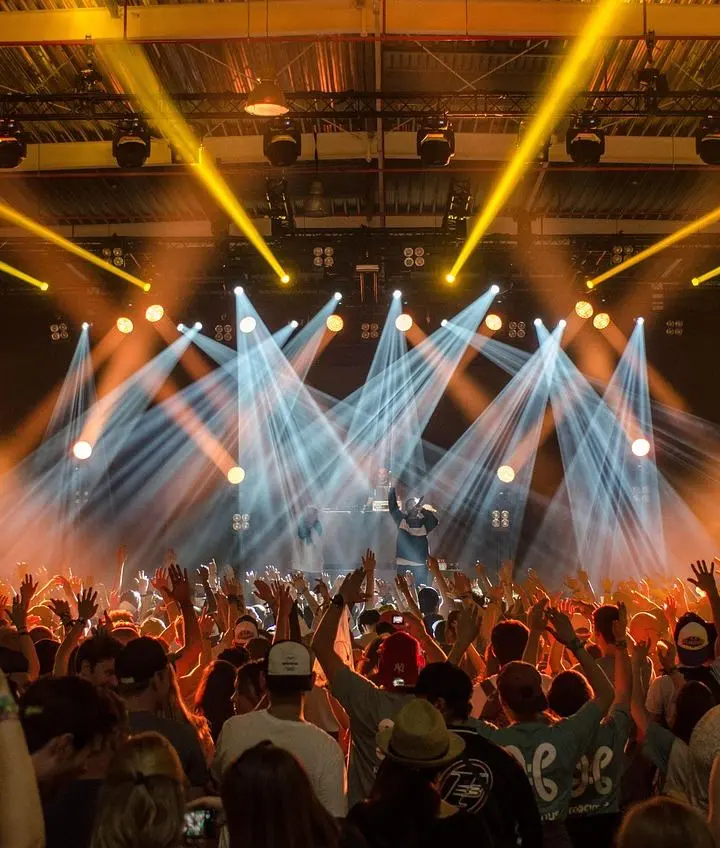
Live music usually sits well above that line. CBS News reports that attendees at concerts, festivals and nightclubs can be exposed to about 100 to 110 dBA for several hours. HearingTracker puts outdoor venues generally between 90 and 100dB, with indoor venues often higher than 110dB.
Small rises matter more than they sound. HearingTracker explains that sound intensity doubles with every 3dB increase, so damage can arrive in roughly half the time. It also warns that noise louder than 100 dB for as little as 5-to-15 minutes can cause permanent hearing loss, which is a stricter framing than the 15-minute figure above, so treat loud rooms as a reason to protect your ears early.
These sources cover amplified concerts and festivals, and none of them measures an opera house. If you are unsure about a hall, HearingTracker suggests a phone decibel reader, which shows you when to put your earplugs in.
What the festival earplug study found
The clearest evidence comes from a study in JAMA Otolaryngology-Head & Neck Surgery, covered by CBS News on April 7, 2016. Researchers from the Netherlands randomly assigned 51 people, with an average age of 27, at an outdoor festival in Amsterdam to wear earplugs or not. Their hearing was checked right before and after the four-and-a-half hour event, where the average level was 100 dBA.
The gap between the two groups was large:
- Hearing loss: 8 percent of people wearing earplugs, against 42 percent of the unprotected group.
- Tinnitus (ringing in the ears): 12 percent with earplugs, against 40 percent without.
The study measured temporary changes, not lasting damage. Lead author Dr. Wilko Grolman said permanent loss was not what the study demonstrated and would be very difficult to prove, but he called it very likely that repeated episodes add up, and he added that once normal hearing is gone, no treatment can bring it back (CBS News). Sandridge noted that research on recreational noise is minimal, though hearing protection is well proven in occupational and industrial settings.
Choosing earplugs that keep the music clear
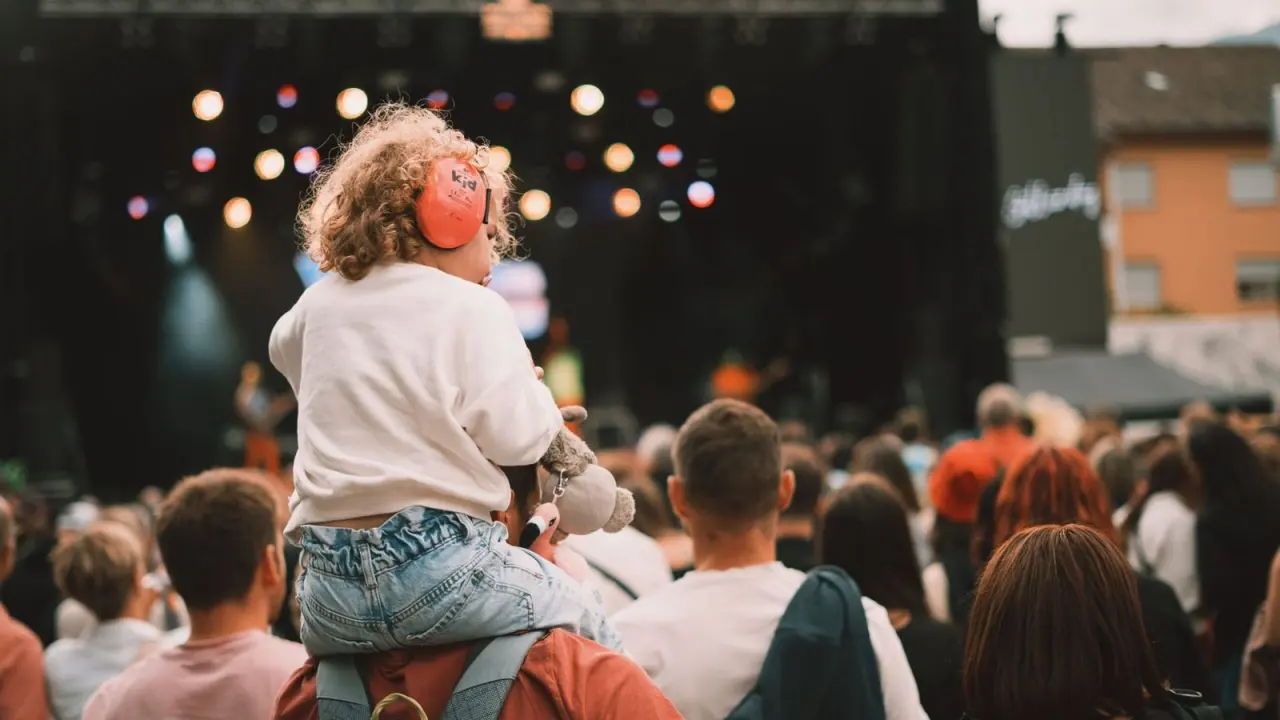
University of Rochester Medical Center guidance says the best hearing protection is the pair you actually use. It lists foam earplugs, reusable earplugs and custom protection fitted by a qualified professional, and recommends a noise reduction rating (NRR) of 15+ decibels for music events (URMC).
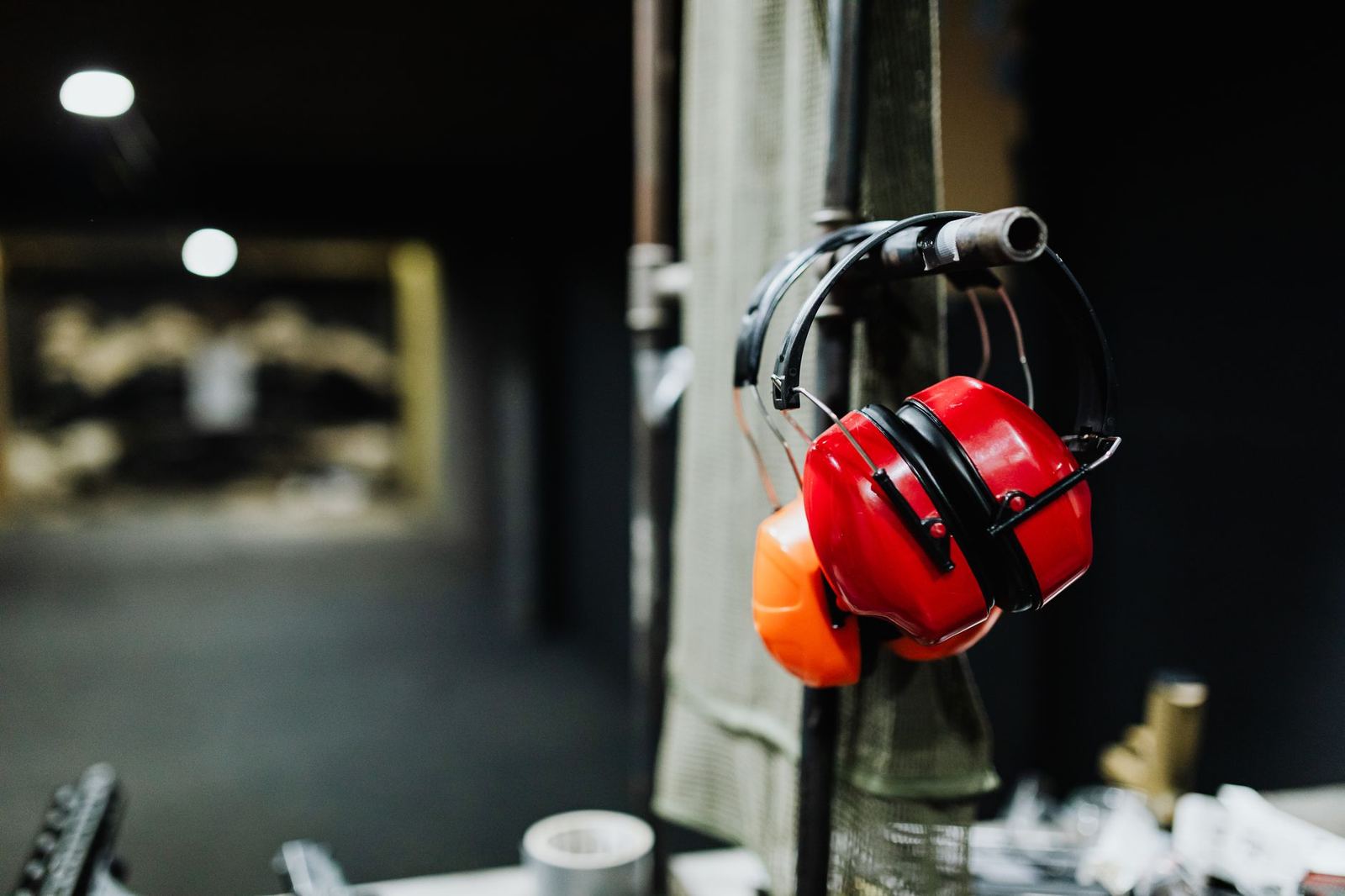
Cost need not be a barrier. HearingTracker says even inexpensive earplugs costing $25 or less can reduce noise to safe levels, and that the right kind will not stop you hearing the music or a conversation.
- Foam or reusable plugs: the simplest option to carry in a coat pocket.
- Musician’s earplugs: aimed at hearing music without distortion, but they need a custom fitting from a local professional.
- Custom protection: worth considering if you attend often, since a comfortable pair is more likely to stay in your ears.
Once they are in, the rest of the evening is routine, and our guide to concert etiquette covers the wider manners of a night out.
Where to stand and when to rest
Position is free protection. URMC advises you to avoid standing directly in front of speakers or amplifiers, where sound intensity is highest, and HearingTracker adds that the closer you stand, the louder it gets, while sound waves weaken as they travel through air. Seat choice shapes what you hear too, so the guide to the best seats at the opera is a useful companion to this one.
Rest matters as much as distance. HearingTracker says limiting exposure gives the delicate inner-ear structures time to recover, and URMC suggests spreading events over several days rather than packing them together.
- Step out of the loudest room between sets or acts.
- Set a timer on your phone to track how long you have been exposed.
- Space out multi-day festivals so your ears can recover.
- Keep your earplugs within reach, not in a bag at the bottom of the cloakroom.
Warning signs after a show
Extended loud sound can damage and even kill the inner-ear cells that activate the hearing nerve, according to HearingTracker. URMC lists these as signs of temporary hearing damage (URMC):
- Ringing in the ears (tinnitus)
- Muffled hearing
- Difficulty understanding speech
- Ear fullness, numbness or discomfort
If these symptoms persist, URMC says to consider an evaluation from an audiologist. This site is educational only and cannot assess your hearing.
Frequently asked questions
Will earplugs spoil the music?
Show answer
Not if you choose well. HearingTracker says the right kind will not block conversation or stop you hearing the music, and URMC says earplugs designed for music events give a balanced sound while lowering the overall level.
Can one loud show cause lasting damage?
Show answer
HearingTracker warns that the noise from festival speakers can exceed 110dB and permanently damage hearing within seconds, so distance and earplugs matter even for a single night (source).
What rating should my earplugs have?
Show answer
URMC suggests looking for a noise reduction rating (NRR) of 15+ decibels, which it says gives adequate protection without compromising musical quality (URMC).
What should I do if my ears ring after a concert?
Show answer
Ringing and muffled hearing can be signs of temporary damage. If they persist, URMC suggests seeing an audiologist for an evaluation (URMC).