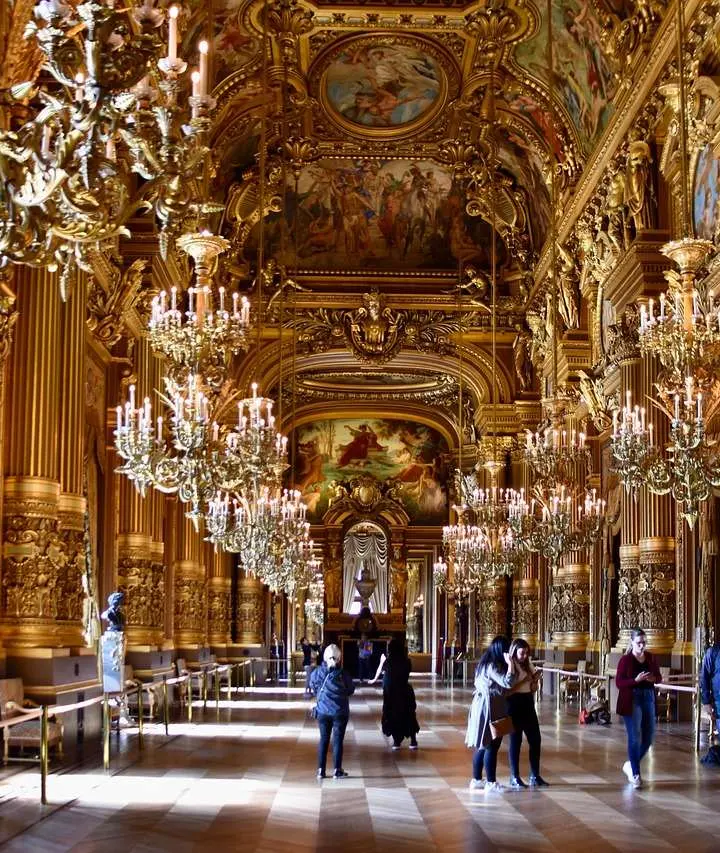
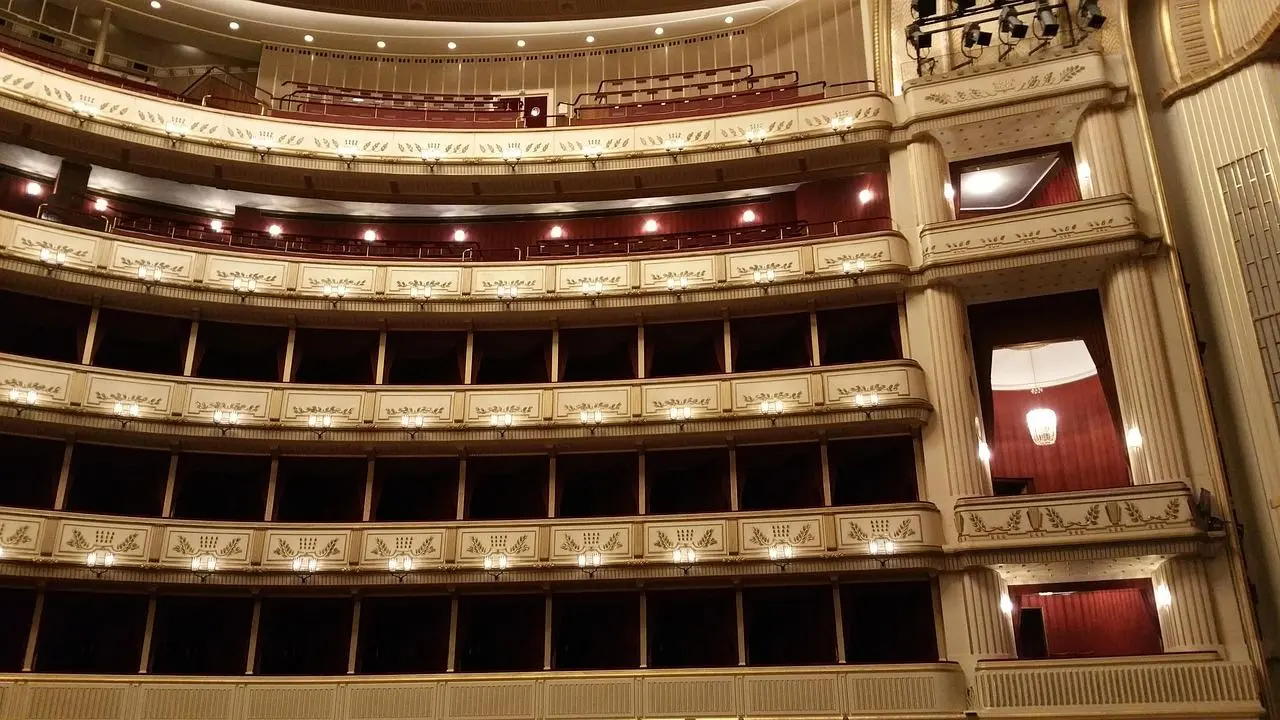
Worried about picking the best seats at the opera? Aim for a central seat in the front rows of a lower tier: close, but not too close, so you get both view and sound.
This guide is part of the site’s coverage of live music, with a focus on opera singers and performances.
| Item | Value |
|---|---|
| Seats in the Metropolitan Opera House | 3800 seats |
| Met orchestra section capacity | 1583 seats plus 100 standing places |
| Rows in the Met orchestra | 33 rows, A to EE |
| Met premium rows in the grand tier | First three rows |
| Accessible places at the Met | 34 places |
| Academy of Music, Philadelphia | Built in 1857 |
The figures come from Headout’s Metropolitan Opera House seating guide (last updated May 15, 2024) and Philadelphia magazine’s Academy of Music guide. Seat counts, layouts and access arrangements can change, so check the source and the venue’s own seating chart before you rely on them.
How an opera house is laid out
Most traditional opera houses stack their seats in tiers, and the tier names tell you roughly where you are. At the Metropolitan Opera House in New York, Headout’s seating guide (last updated May 15, 2024) describes a ground-level orchestra section with five elevated sections above it, forming an inverted U-shape.
The levels named in that guide are:
- Orchestra: the largest seating area, with 1583 seats plus 100 standing places across 33 rows lettered A to EE.
- Parterre.
- Grand tier.
- Dress circle.
- Balcony.
- Family circle: home to the cheapest seats in the house, though the guide says the view is nothing to write home about.
The same guide counts 3800 seats in the house and says it opened in 1966, taking the place of the original 1883 Metropolitan Opera House. In a house that size, where you sit changes your evening far more than it would in a small theater.
Do you want the best view or the best sound?
The two goals do not always point to the same seat. Headout’s May 2024 guide says you get a good view and great sound at the lower level of the Met, but you will be better off acoustically at the higher levels.
Pittsburgh’s Benedum Center tells a similar story. The Tribune-Review’s October 2007 guide called its acoustics excellent for opera, yet said the best seats are upstairs because downstairs there is too little orchestra sound from the pit.
At Philadelphia’s Academy of Music, built in 1857, Philadelphia magazine’s July 2024 issue names the parterre circle and balcony boxes for the best acoustics. It names the center balcony as the best spot for getting the full scope of a production.
So decide your priority first. If the staging and the singers’ expressions matter most, stay low and central. If the blend of voices and orchestra matters most, consider the middle of a higher level.
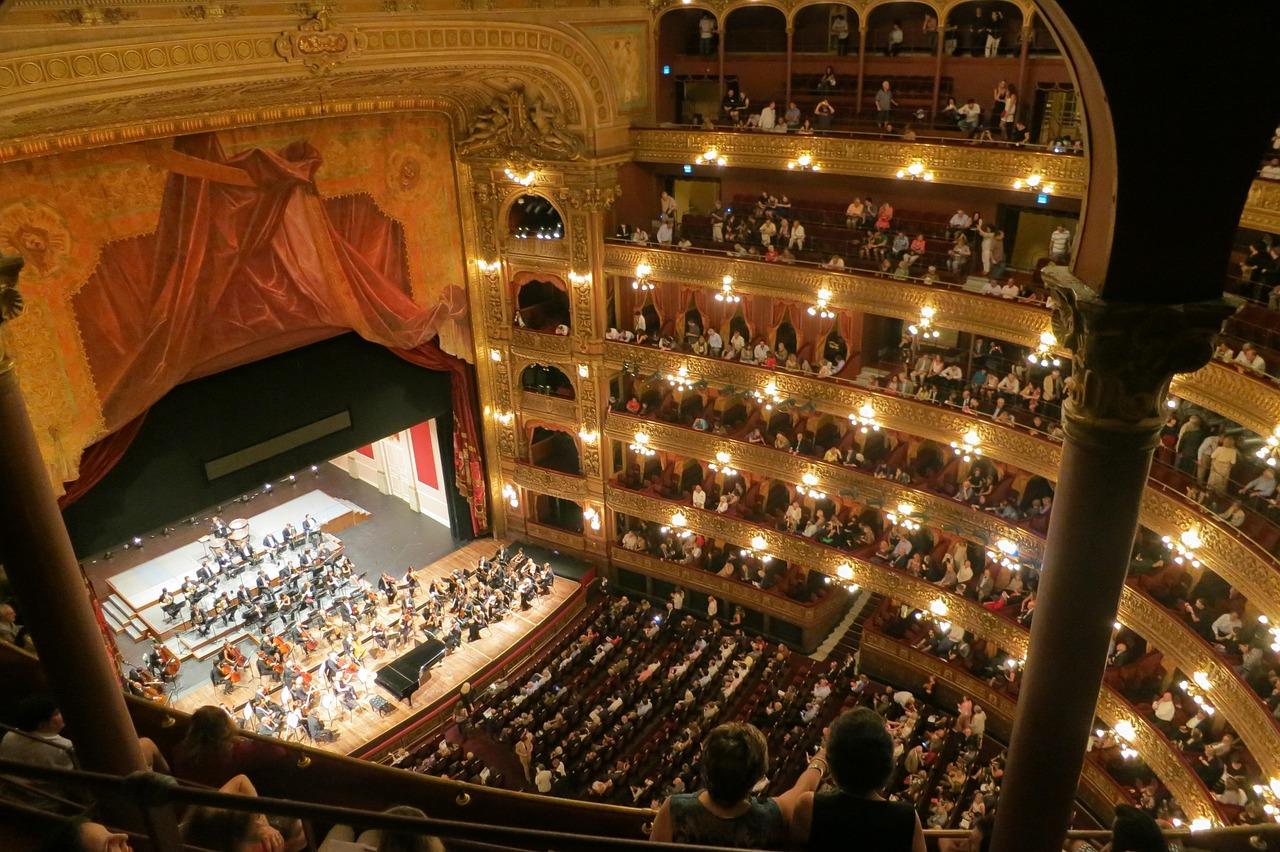
Seat picks in the Met and the Academy of Music
As of Headout’s May 2024 update, the Met’s premium seats are the first twenty rows in center orchestra, the first center row in parterre and the first three rows of the grand tier. The guide names these as the first choice if money is no concern, and you can read the full breakdown in Headout’s guide.
At the Academy of Music, Crystal Brewe, audience experience officer for the Philly Orchestra and Ensemble Arts, calls the first rows of sections D, E and F the best seats overall. Philadelphia magazine describes them as close (not too close) and especially great for dance, opera and Broadway shows.
If price matters, the Headout guide points to these Met value picks:
- Orchestra prime, which wraps around the premium seats at the sides and back.
- The center of the parterre, which gives a great view without costing quite as much as premium seats.
- Rows four and five of the center two sections in the grand tier.
- The middle of the dress circle and balcony, if you do not mind sitting further back.
Seats to approach with care
A cheap or central-looking seat can still hide a problem. These are the ones the sources flag:
- Far left or far right in the orchestra. The Tribune-Review’s 2007 guide says these provide severe angles.
- Seats behind the Academy of Music’s original columns, which date back to its days as an opera house. Philadelphia magazine says not every seat is perfect for every show.
- The Academy’s amphitheater, which has stunning views but is seriously high and steep, so it is not great for anyone with vertigo.
If you are unsure about a seat, the magazine advises asking the box office. It also points to a crowdsourced collection of photos and reviews from specific seats at venues around the world, called A View From My Seat.
The front-row myth deserves a mention too. Brewe says closer isn’t always better, especially for dance or musicals, because the angle can hide footwork. That comment is not about opera, but it is a fair reminder to check the angle rather than assume the front row wins.
Comfort, access and checks before booking the best seats
Small comforts matter over a long evening. The Tribune-Review’s October 2007 guide suggests an aisle seat if you have long legs or expect a rush to the restroom at intermission, and notes that seats under balcony overhangs are often warmer. For a long evening in any seat, this guide on how to protect your hearing at concerts is a useful companion.
Access is worth checking early.
Once you have a seat, knowing what is on stage adds to the evening, and our guide on how to read a concert program explains the basics. Before you book, work through this short list:
- Decide whether view or sound matters more to you.
- Look at the seating chart when buying; the Tribune-Review advises asking to see where the seats are if you buy in person.
- Check for columns, overhangs and steep side angles.
- Choose an aisle seat if you need legroom or quick exits.
- Ask the box office or look at photos from the seat if you are in doubt.
Frequently asked questions
Are the front rows the best seats at the opera?
Show answer
Not automatically. At the Academy of Music, the first rows of sections D, E and F are praised as close but not too close, according to Philadelphia magazine’s July 2024 issue. Very close seats can also give you an awkward angle.
Where should I sit for the best sound?
Show answer
Higher levels often help. As of Headout’s May 2024 update, you will be better off acoustically at the Met’s higher levels, and the Academy’s parquet circle and balcony boxes are named for acoustics in Headout’s guide and the Philadelphia magazine piece.
Which Met seats are good value?
Show answer
The Headout guide, last updated May 15, 2024, lists orchestra prime, the parterre center, rows four and five of the center grand tier sections, and the middle of the dress circle and balcony. Check current prices with the venue before you buy.
Are there step-free seats?
Show answer
The Academy of Music’s parquet circle sections C, D, F and G are described as easy to reach without stairs, per Philadelphia magazine’s July 2024 issue. The Met had 34 accessible places as of Headout’s May 2024 update, so confirm your needs with the box office.