Classical music can feel like a huge, tangled subject. It is Western art music, a tradition spanning over a millennium, and this guide sorts its seven periods so you know where to start.
| Period | Dates |
|---|---|
| Medieval period | c. 500-1400 |
| Renaissance period | c. 1400-1600 |
| Baroque period | c. 1600-1750 |
| Classical period | c. 1750-1820 |
| Romantic period | c. 1820-1900 |
| 20th century and modern | 1900-2000 |
These dates come from a Violin Lounge guide to the classical music periods. Period boundaries are approximate and sources differ, so check the source before you rely on the figures.
What is classical music?
The term is often used for Western art music, a broad tradition that runs from the Medieval world up to the present day. That is the description in the Violin Lounge guide, a post dated August 5, 2024.
The word causes one common mix-up. The capital-C Classical era is a single period within the tradition, from about 1750 to 1820, with composers such as Mozart, Haydn and Beethoven.
The same guide points out that Europe and the United States are not the whole story: there are many rich music traditions around the world with their own history, harmonies and instruments. Like that guide, this hub stays with Western art music and leaves those traditions for a separate conversation.
The seven periods in order
According to the same guide, music historians distinguish seven periods, even though music evolves gradually and differs from country to country. Here they are in order:
- Medieval (c. 500-1400)
- Renaissance (c. 1400-1600)
- Baroque (c. 1600-1750)
- Classical (c. 1750-1820)
- Romantic (c. 1820-1900)
- 20th century and modern (1900-2000)
- Contemporary (2000-Present)
Knowing the order helps you find new music to love, because you can follow a sound you enjoy backwards or forwards in time. A fuller walk through every era lives on the page about classical music periods.
Medieval period: chant and early polyphony
The Medieval period opens the story of Western classical music. After the fall of the Roman Empire, music was primarily religious, because the Church dominated cultural and intellectual life.
Gregorian chant, named after Pope Gregory I, was the most prevalent form of music. These chants were monophonic: a single melodic line without harmonic accompaniment. Polyphony, with several independent melody lines sung at once, began to emerge in the later Medieval period.
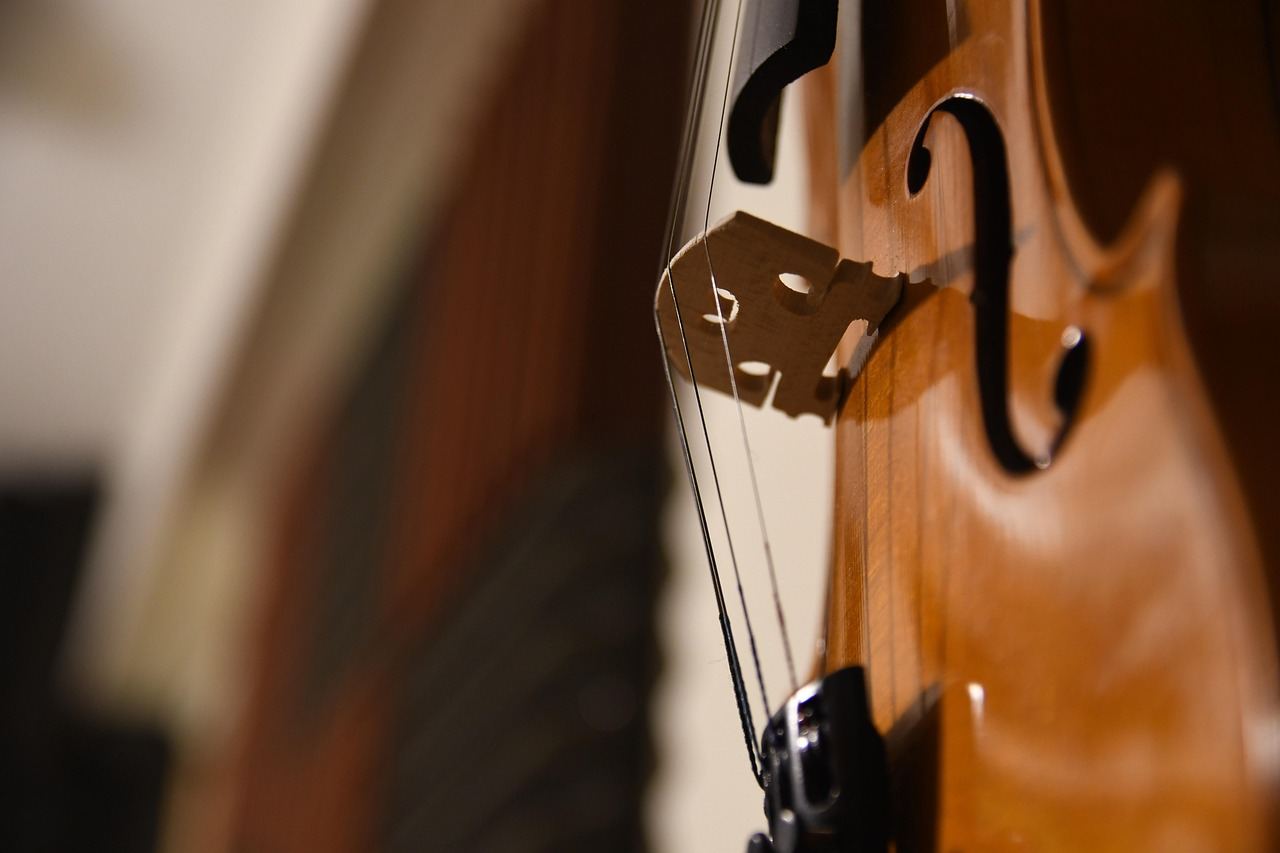
Instruments were used sparingly. The ones that did appear included early versions of the lute, harp and hurdy-gurdy, while the fiddle and rebec were ancestors of the violin. Notation was rudimentary: neumes showed pitch but not precise rhythm.
Renaissance period: counterpoint, printing and courts
The name Renaissance means “rebirth”, and the period was one of cultural revival in Europe. Polyphony rose to prominence, and imitative counterpoint, where themes are echoed between different voice parts, became a hallmark of the era.
Instruments such as the lute, viol, recorder and harpsichord gained prominence. Music was heard in sacred spaces like churches and in the courts of the nobility, where secular music thrived.
Notation improved too. Mensural notation allowed the precise indication of rhythm, which made complex polyphonic works possible, and the invention of music printing helped spread them more widely. You can read more in the Violin Lounge guide.
Composers to listen for in the early eras
The guide names key composers for each of the first two periods. They make a handy starting list if you want to hear the difference between chant, early polyphony and Renaissance counterpoint.
Medieval
- Hildegard von Bingen: a visionary abbess and composer whose music is ethereal and deeply spiritual.
- Guillaume de Machaut: a poet and composer whose work includes both secular and sacred music.
- Perotin: known for elaborate polyphonic compositions with intricate melodic interplay.
- Leonin: one of the earliest known composers of polyphony.
- Francesco Landini: a blind Italian composer known for his beautiful melodies.
Renaissance
- Josquin des Prez: a master of Renaissance polyphony, known for expressive depth.
- Giovanni Pierluigi da Palestrina: his smooth polyphonic style became a model for church music.
- Thomas Tallis: an English composer whose work spans the transition from Catholic to Anglican music.
Forms, ensembles and where to go next
Once you have the eras in mind, the next question is usually about the pieces and the people who play them. Each page below takes one topic on its own, so you can follow whichever curiosity is strongest.
- If you are brand new, classical music for beginners is the gentlest way in.
- To understand the big orchestral form, read about what is a symphony.
- For the form that sets a soloist against the orchestra, see what is a concerto.
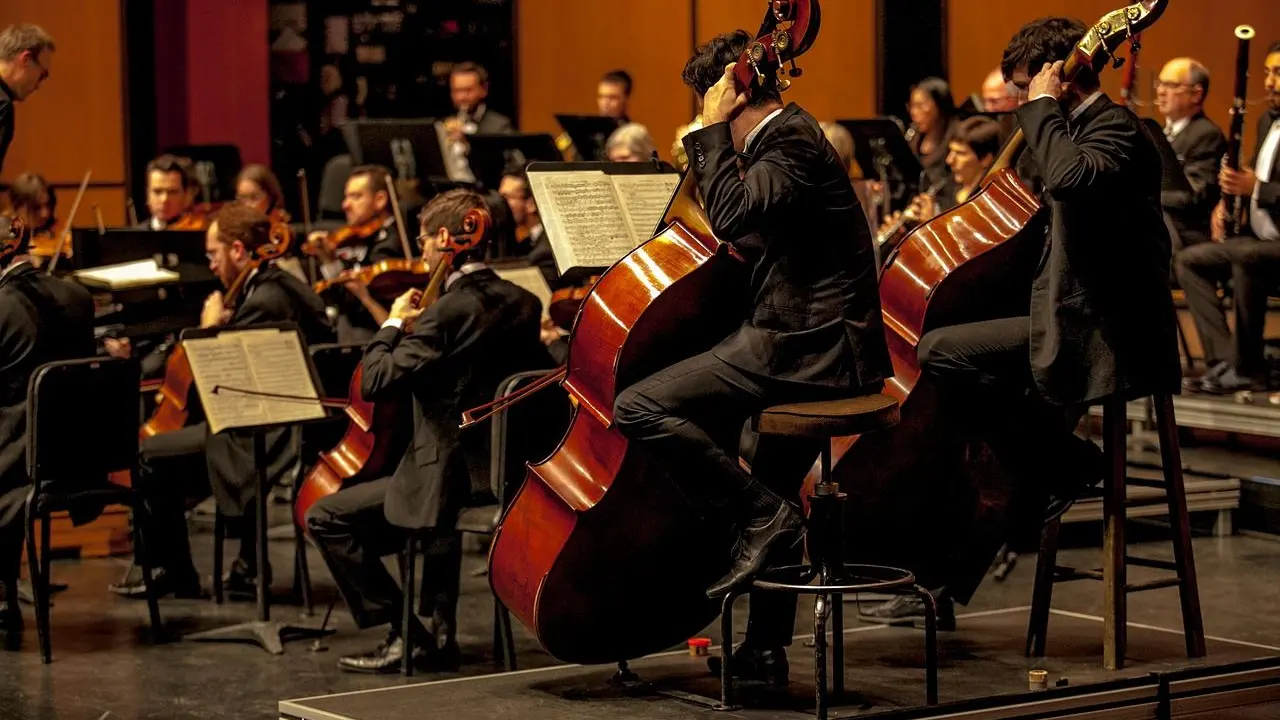
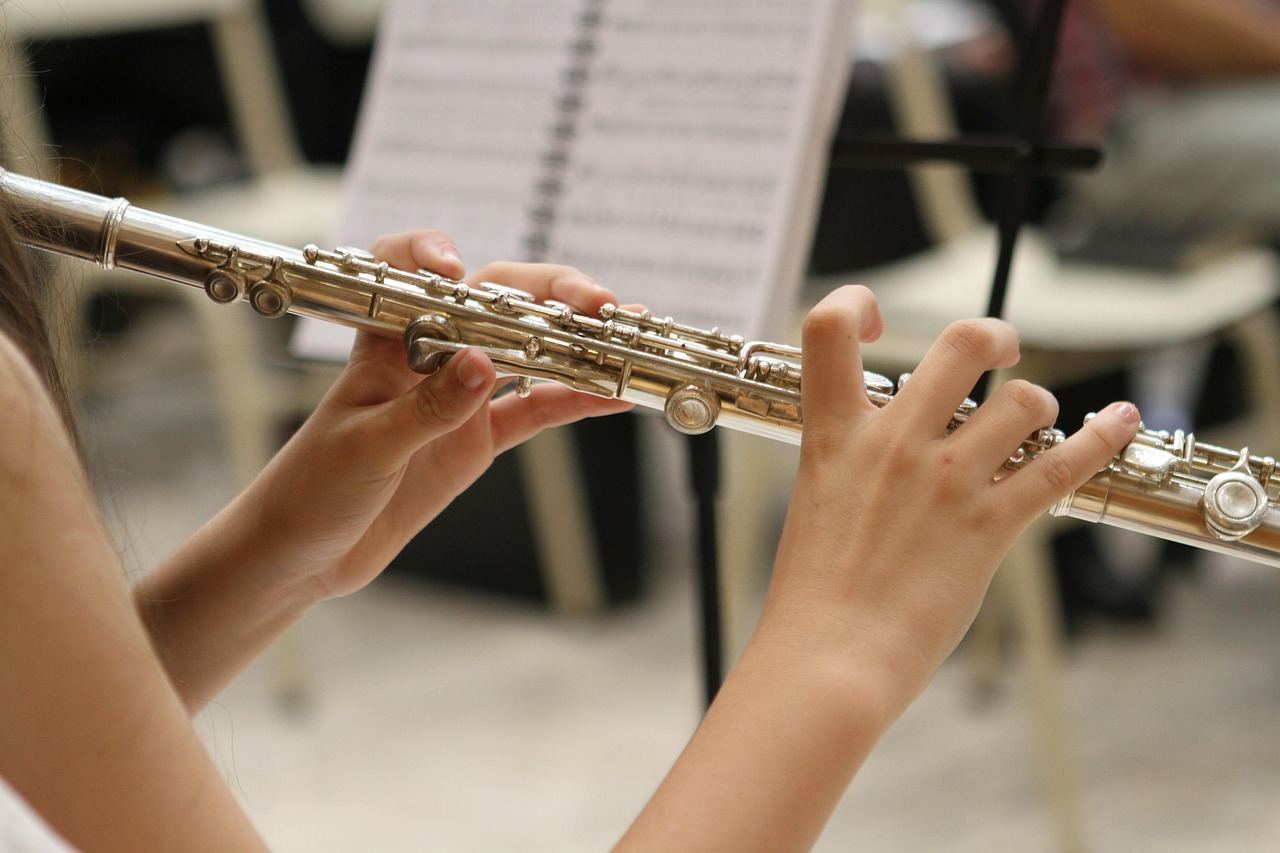
- To see who sits where on stage, explore orchestra sections and instruments.
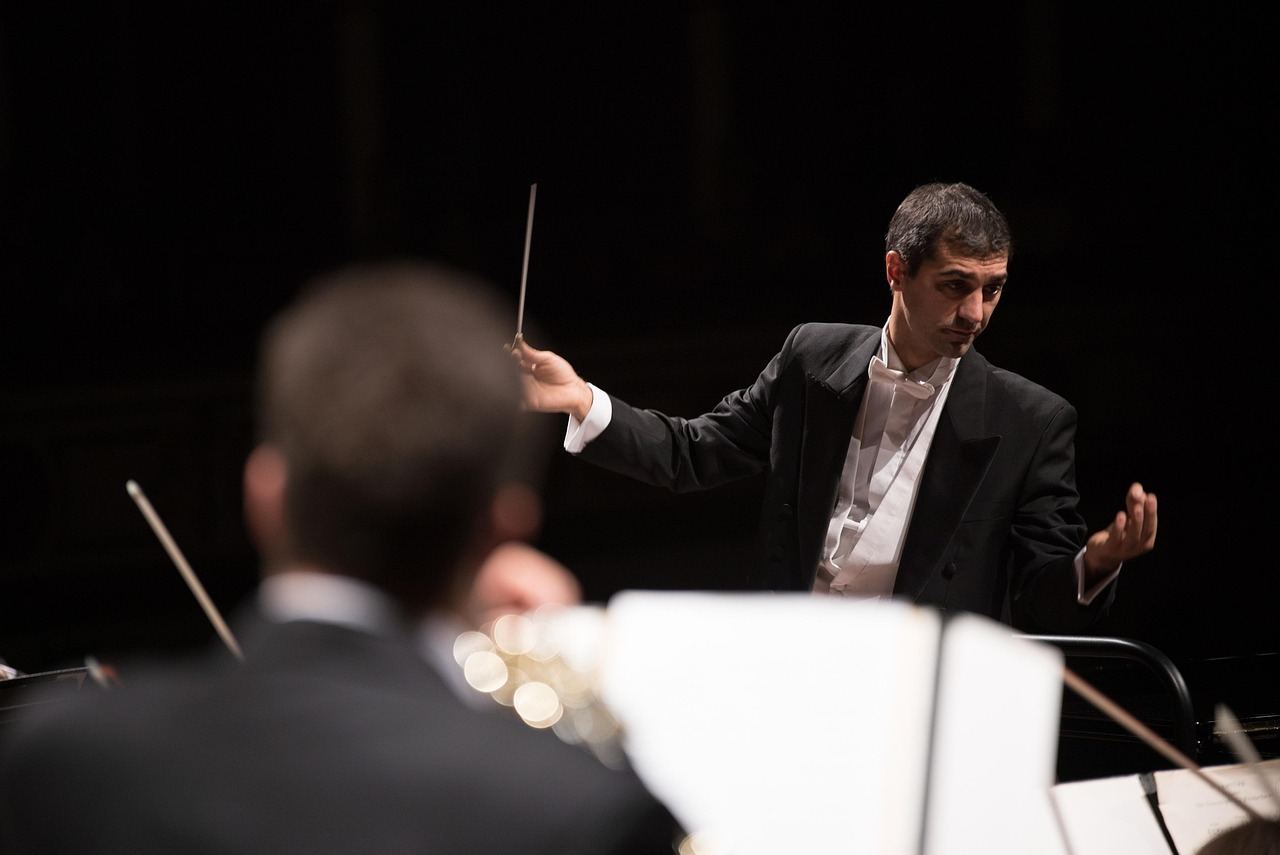
- The person at the front gets their own page on what does a conductor do.
- For smaller groups of players, try chamber music explained.
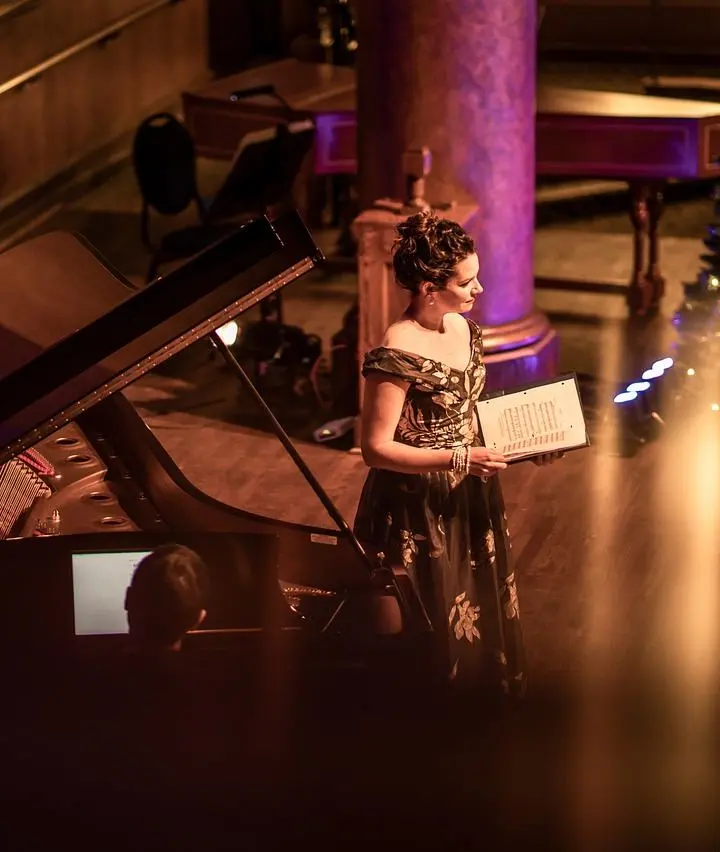
- For voice and piano, start with what is lieder.
If voices are what draw you in, the hub on opera singers covers the vocal side of the tradition. And when you are ready to hear it all in a room, the hub on live music is the next stop.
Frequently asked questions
What is classical music?
Show answer
It is often described as Western art music, a broad tradition spanning over a millennium, from the Medieval period to the present day, as laid out in the Violin Lounge guide dated August 5, 2024.
Is the Classical era the same as classical music?
Show answer
No. The Classical era is one period within the wider tradition, from about 1750 to 1820, and includes Mozart, Haydn and Beethoven. Classical music as a whole covers all seven periods.
How many classical music periods are there?
Show answer
The guide distinguishes seven: Medieval, Renaissance, Baroque, Classical, Romantic, 20th century and modern, and Contemporary. Period dates are approximate, so treat them as a rough map.
Where does the name Gregorian chant come from?
Show answer
It is named after Pope Gregory I. The Violin Lounge guide calls it the most prevalent form of music in the Medieval period, when the Church dominated cultural and intellectual life.