If you keep asking what is a concerto, here is the short answer: a piece for one instrumental soloist and an orchestra. Once you hear their give-and-take, you will spot it everywhere.
This guide is part of the site’s wider coverage of classical music.
| Item | Value |
|---|---|
| Basic definition | A work for instrumental soloist plus orchestra or group of musicians |
| Traditional movements in a concerto | Three |
| Traditional movements in a symphony | Four |
| Corelli, main exemplar of the concerto grosso (life dates) | 1653-1713 |
| Vivaldi, main exemplar of the solo concerto (life dates) | 1678-1741 |
These figures come from BBC Music Magazine’s explainer on the concerto and its concerto versus symphony guide. Figures and dates can change as sources are revised, so check the source before you rely on them.
One soloist, one orchestra
A concerto is, in the words of BBC Music Magazine, a work for instrumental soloist plus orchestra or group of musicians. That sounds simple, but the drama comes from how the two sides behave.
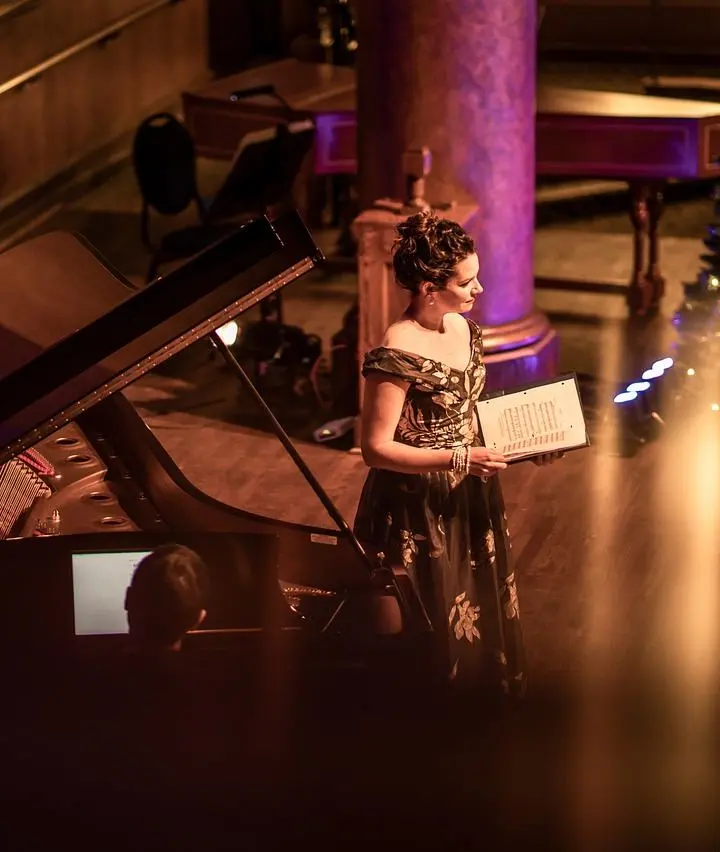
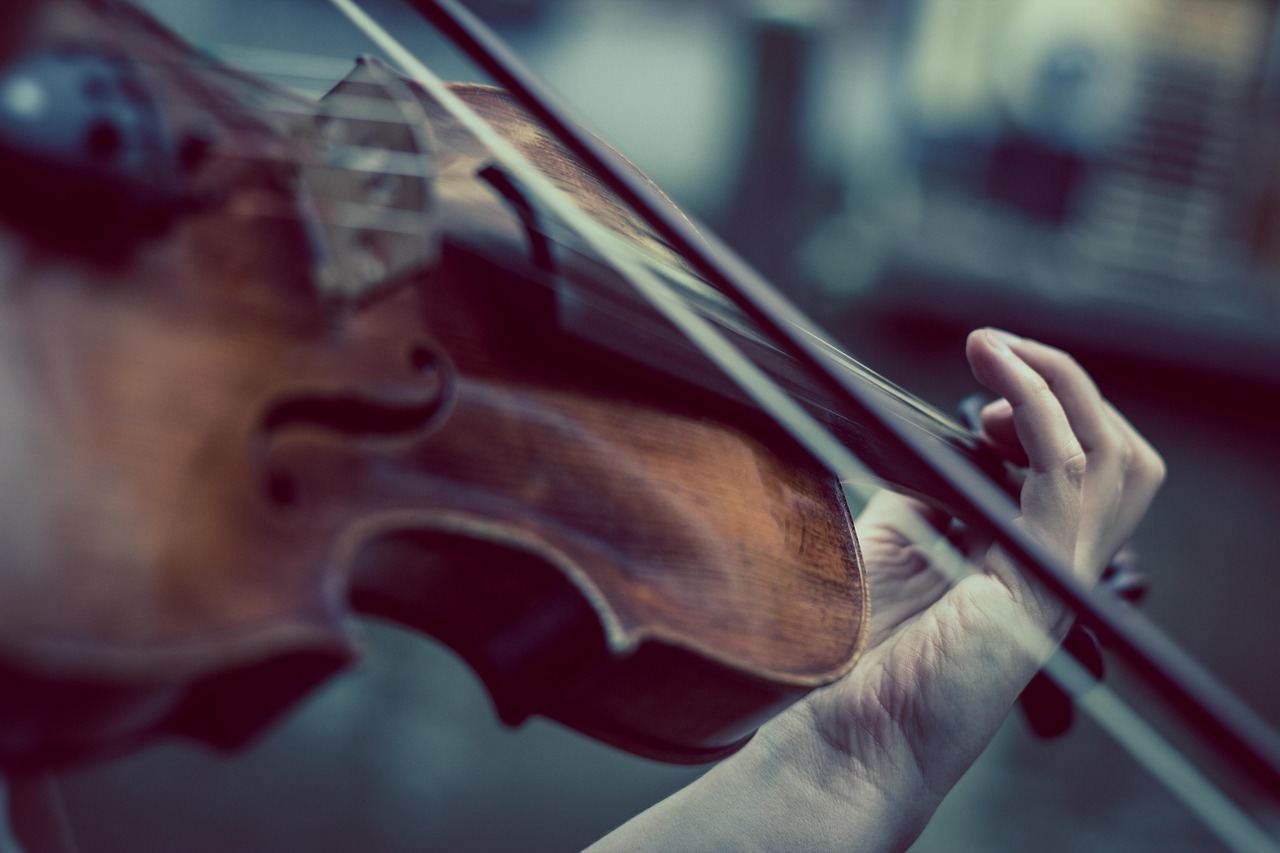
In concert, the soloist stands up front, not within the instrumental sections of the orchestra. The solo instrument often appears to be in something of a battle with the ensemble, competing and showing off a bit. A single star with acrobatic skill, soulful eloquence and stage charisma was always likely to win an audience.
The orchestra supplies the anchor. However inventive the soloist’s writing, the orchestra almost always brings listeners back to the basic material, so there is a warm feeling of recognition when the main theme returns fully scored. That repetition is a big part of why the form has lasted.
To see who sits where behind the soloist, read about orchestra sections and instruments.
How did the concerto begin?
Before the Baroque, music either had words or accompanied actions: it was song or dance, with specific magical, religious or social functions. The Baroque then saw the rise of instrumental music as something proudly self-sufficient, and the concerto was its most enduringly successful result.
As BBC Music Magazine tells it, there were two rival types, in two rival cities. Rome had the concerto grosso, in which a team of soloists alternated with a larger ensemble, with Corelli (1653-1713) as its principal exemplar. In Venice the solo concerto, with the classic three-movement form, eventually won the evolutionary battle, with Vivaldi (1678-1741) as its principal exemplar.
In concerto grosso terms, Lumen’s course notes describe the small group of soloists as the concertino and the full orchestra as the ripieno. Corelli’s concertino was invariably two violins and a cello.
A few Baroque milestones show how quickly the solo side grew:
- According to the same Lumen notes, Vivaldi composed approximately 425 concertos for one or more soloists, including about 350 solo concertos (two-thirds for solo violin).
- Those Vivaldi concertos firmly established the three-movement form as the norm.
- Vivaldi’s Four Seasons is in effect a set of four very beautiful Baroque violin concertos, BBC Music Magazine notes.
- Bach had approached the idea of a harpsichord concerto before 1721 in Brandenburg Concerto No. 5.
From Mozart to the Romantic soloists
The Classical period brought the triumph of the solo concerto over the group concerto, helped by the rise of the virtuoso soloist and demand from amateurs for new works. Keyboard concertos rose too: until about 1770 the harpsichord was usually preferred, but the piano gradually supplanted it, as the Wikipedia article on the solo concerto explains.
Mozart wrote 23 original piano concertos, and many of his Vienna works were what he called grand concertos. They call for a much larger orchestra than was typical, especially with an expanded role for the winds. That left the orchestra fully capable of sustaining a dramatic confrontation with the soloist.
Beethoven’s five piano concertos date from between c. 1793 and 1809. They are longer than Mozart’s and call for even more virtuosity from the soloist.
The Romantic era mostly kept the three-movement shape, though Brahms’s Piano Concerto No. Rachmaninoff’s Piano Concerto No. 2, which first premiered in 1901, shows how popular the big-hearted piano concerto remained, according to Hello Music Theory.
The movements and the cadenza
The traditional layout of a solo concerto has three movements:
- A fast opening section.
- A slow and lyrical section.
- Another fast section to finish.
That plan comes from the solo concerto article, which adds that many examples do not follow it. BBC Music Magazine calls the same shape the basic three-movement Action-Contemplation-Action pattern, and says composers have bent it without losing its outline.
The cadenza is the soloist’s showpiece. The Classical era concerto introduced it as a sort of improvised ending to the first movement, with the soloist given free rein to show what they can do. Some cadenzas were composed, while others are left to the performer to realise.
The solo-cadenza and massive-return ending of so many concerto movements is the extreme version of that repetition device: the soloist dazzles, then the whole orchestra comes crashing back with the main theme.
Concerto versus symphony
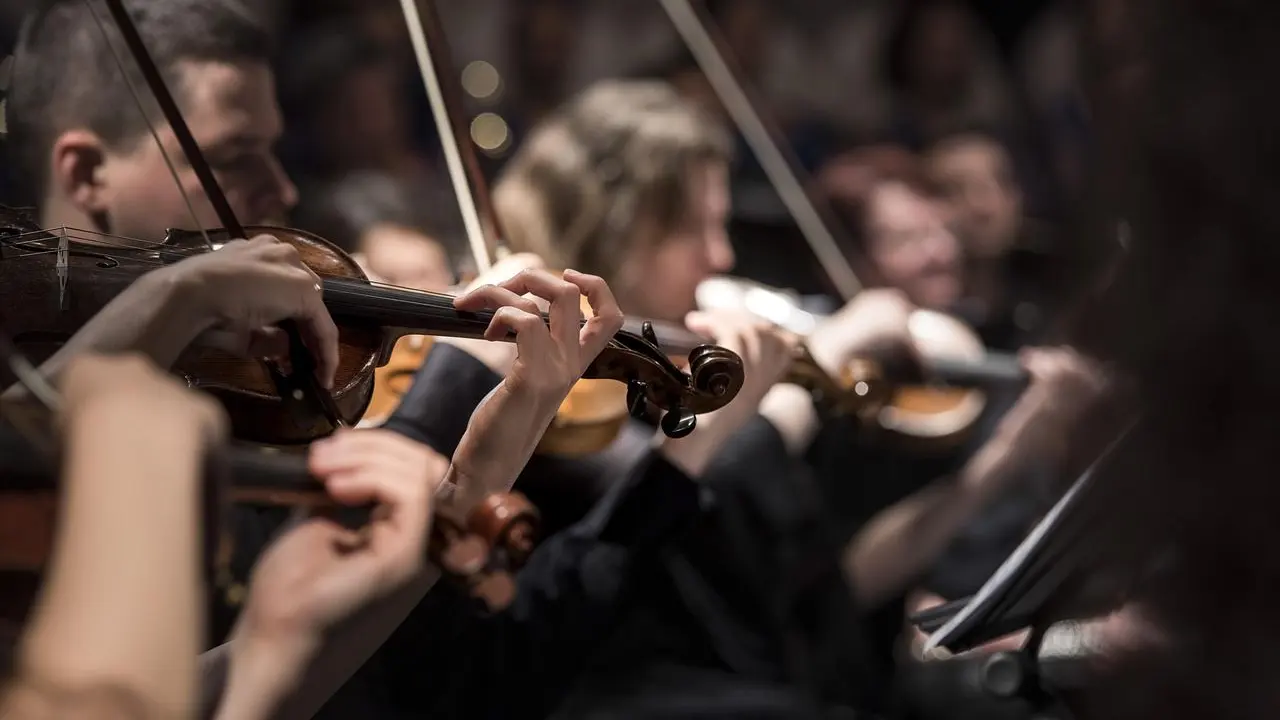
Both are large-scale orchestral forms, and both were very popular from the Classical era (1750 onwards). The main difference is the featured soloist. In a symphony, while there may be solo passages, the musicians are really all in it together.
Concertos traditionally have three movements, while symphonies have four, though plenty have more or fewer. For a closer look at the other great orchestral form, read the guide on what is a symphony.
Concertos to hear first
The piano, violin and cello are the three instruments for which concertos have most commonly been written. These starter picks come from BBC Music Magazine’s list of famous concertos:
- Piano: Beethoven’s Piano Concerto No. 5 (the ‘Emperor’), Mozart’s No. 21 (sometimes known as the ‘Elvira Madigan’ because of its slow movement’s use in that film), the two Brahms piano concertos, and Prokofiev’s No. 3.
- Violin: the Sibelius, Tchaikovsky and Beethoven violin concertos, plus Mendelssohn’s, whose songlike melody you may know without knowing it.
- Cello: concertos by Elgar, Dvořák, Shostakovich (Nos. 1 and 2) and Haydn (Nos. 1 and 2), plus Tchaikovsky’s ‘Rococo’ Variations for cello and orchestra.
If you want something light and bracing, both Shostakovich piano concertos are short, fun pieces fizzing with ideas and energy.
Frequently asked questions
Is a concerto the same as a symphony?
Show answer
No. Both are large orchestral forms, but a concerto features a soloist who stands up front, while in a symphony the musicians are really all in it together.
How many movements does a concerto have?
Show answer
Traditionally three: fast, slow, fast. Many concertos break that plan, and Brahms’s Piano Concerto No. 2 adds a fourth movement.
What is a cadenza?
Show answer
A cadenza is a sort of improvised ending to a movement, introduced in the Classical era concerto. The soloist has free rein, and some cadenzas were composed while others are left to the performer.
What is a concerto grosso?
Show answer
It is a Baroque form in which musical material passes between a small group of soloists, the concertino, and the full orchestra, the ripieno. The concerto grosso is confined to the Baroque period, while the solo concerto continued as a vital musical force to this day.