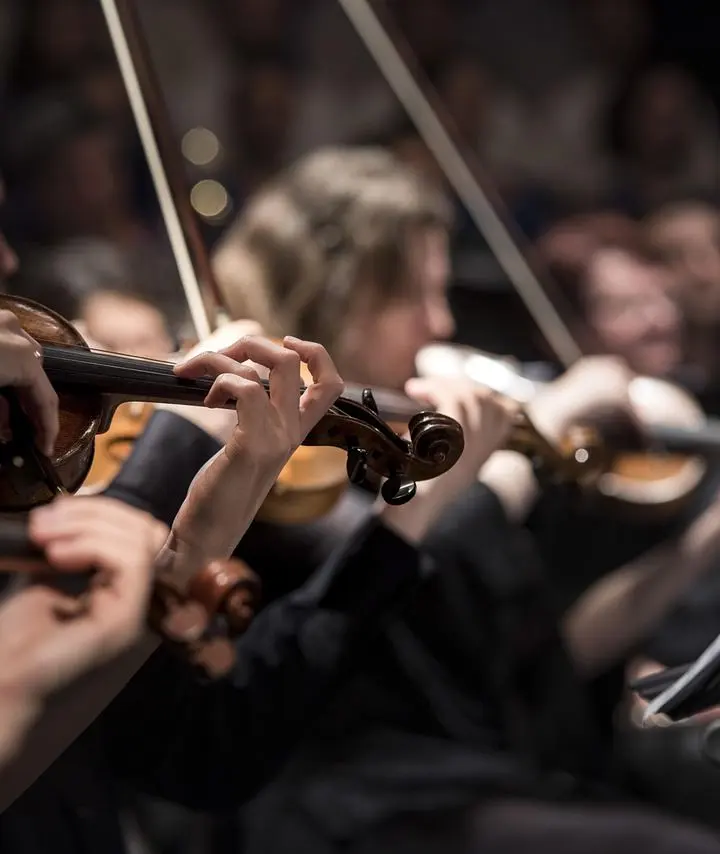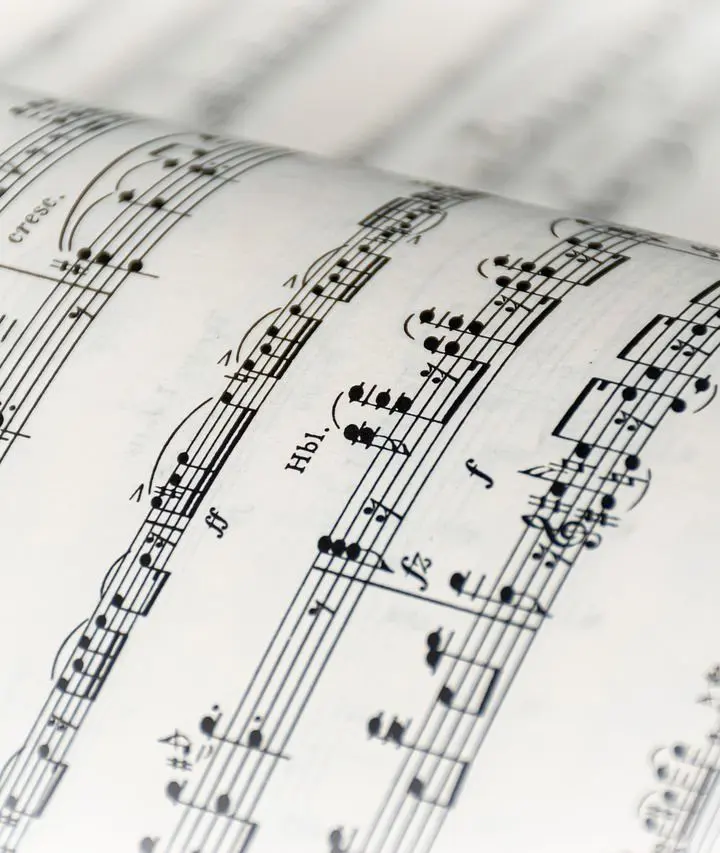
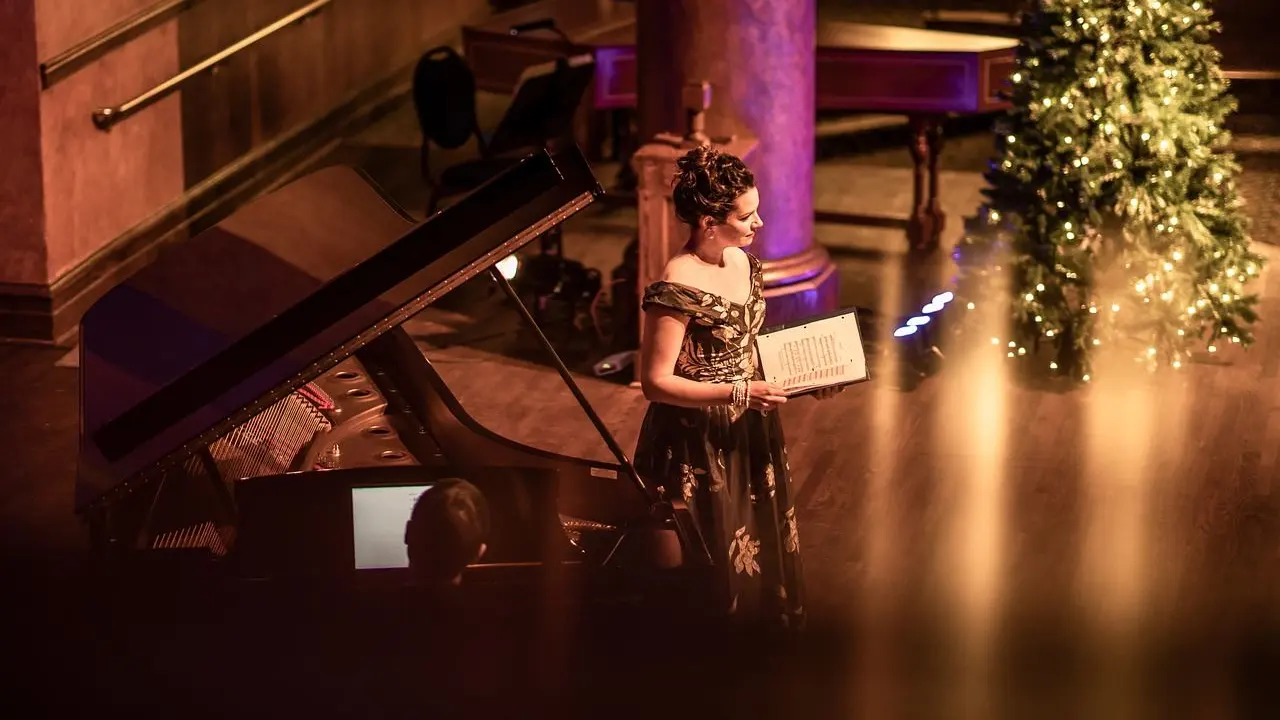
Hearing the word and wondering what is lieder? It is German art song: a poem set to music, usually for one singer and piano, meant for recital. You’ll learn how to listen for it below.
This guide is part of our wider look at classical music, where you can follow related topics.
| Item | Key fact |
|---|---|
| Typical forces | One voice with piano accompaniment |
| Usual text | A musical setting of an independent poem or text |
| German tradition | Lieder |
| French term | Mélodie |
| Songs grouped into a narrative or dramatic whole | Song cycle |
These facts come from the Lumen Learning chapter on art song. Textbook definitions can be revised, so check the source before you rely on them.
Lieder and art song: the basic idea
Lieder is the German word for songs, and in music study it names the German tradition of art song. An art song is a vocal composition, usually written for one voice with piano accompaniment, and usually in the classical tradition, as the Lumen Learning chapter puts it.
The words are most often an independent poem, which makes the composer a kind of interpreter of someone else’s text. The music is intended for the concert repertory, as part of a recital or other relatively formal occasion.
The German label spread for a simple reason. So many art songs in a Romantic style were composed by German composers that teachers tend to reach for the German word.
What counts as an art song, and what does not?
The boundaries are fuzzy, but a few rules of thumb help. These are the usual cases:
- Songs from staged works (an opera or a musical) are not usually considered art songs.
- Vocal chamber music covers songs with instruments besides piano and/or other singers, and it is usually kept separate.
- Orchestral songs were written for voice and orchestra. They are not usually counted, unless the original version was for solo voice and piano.
- Folksongs are generally excluded unless they are concert arrangements with piano written by a specific composer, such as Britten’s folksong arrangements or Falla’s Siete canciones populares españolas.
- Sacred texts have no firm rule. Many settings were written for the concert stage rather than religious services, and Brahms’s Vier ernste Gesänge is a widely known example.
Even a wordless vocalise by a classical composer is sometimes treated as an art song and sometimes not. If you mostly follow opera singers, the key point is that an aria inside a staged work is not a lieder song, although some Baroque arias heard often in recital have been folded into the art song repertoire. The same chapter lists Copland’s Old American Songs, in two volumes, among the folksong arrangements, as you can check on the source page.
How lieder are built: strophic, through-composed and ABA
The composer’s musical language and interpretation of the text often dictate the form. Four shapes come up again and again:
- Strophic: every verse of the poem is sung to the same music.
- Modified strophic: the vocal melody stays the same, but the accompaniment changes under it for each verse.
- Through-composed: each section of the text receives fresh music, though some material may return.
- ABA: a beginning section, a contrasting middle and a return to the opening music.
Repetition is not a weakness. In exceptional cases the repeated music provides dramatic irony for the changing text, and several songs in Schubert’s Die schöne Müllerin are good examples.
Songs can also be grouped. A set composed to be performed together to form a narrative or dramatic whole is called a song cycle.
Why the piano matters as much as the voice
Recital performance asks special skills of both the singer and the pianist. The two performers must agree on all aspects of the performance to create a unified partnership, and the source text calls it one of the most sensitive types of collaboration.
The degree of intimacy is described as seldom equaled in other kinds of music. Both players have to communicate the most subtle emotions of the poem and the music to the audience.
The Ford Music Appreciation module adds that the piano often plays before the vocalist at the start to establish mood. If you want to compare this two-person set-up with larger ensembles, the guide on what does a conductor do is a good next read.
Listening example: Schubert’s Erlkönig
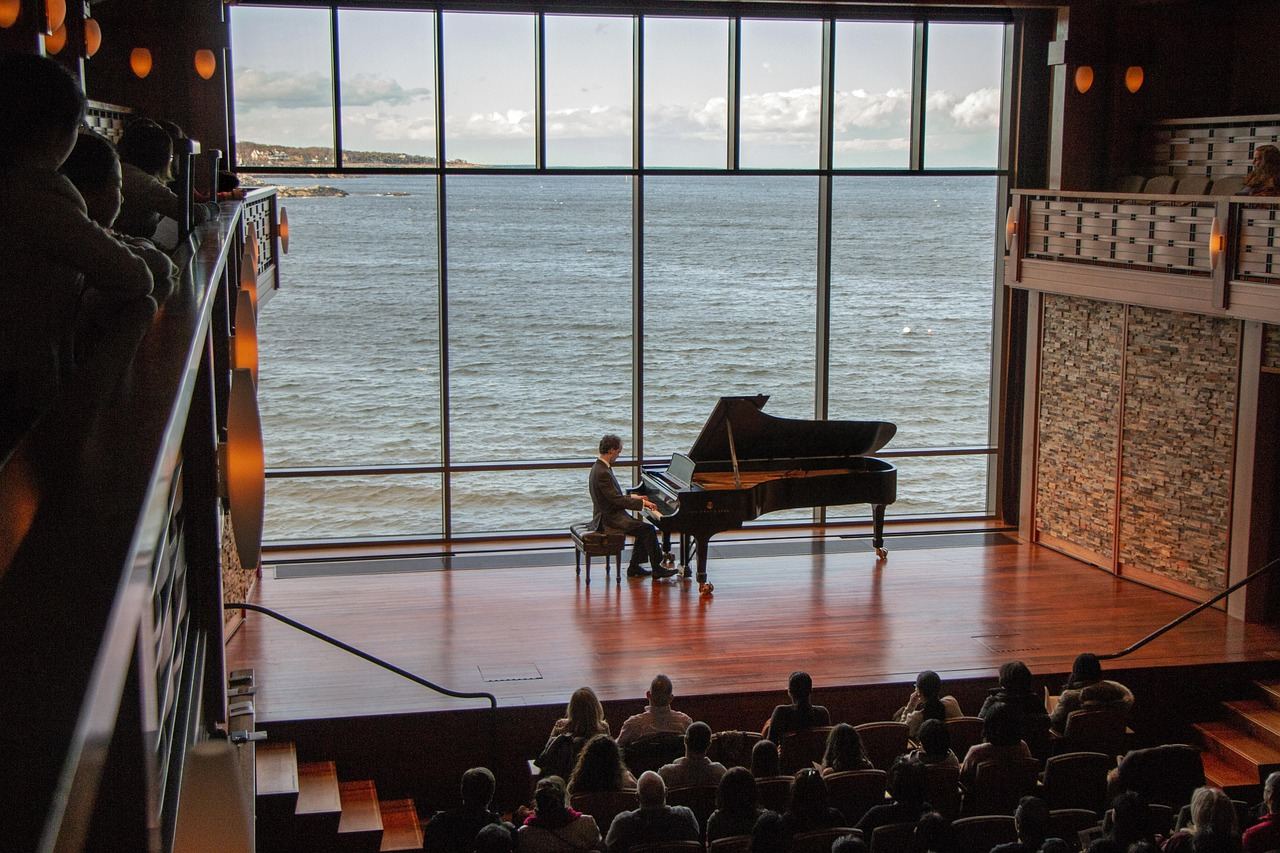
“Erlkönig” is one of the best-known lieder of the Romantic era and one of Schubert’s most famous compositions. It is through-composed, and the text is a poem by Johann Wolfgang von Goethe depicting the death of a child assailed by a supernatural being, per the Ford module.
The piano starts with triplets that create urgency and simulate the horse’s galloping. The four characters (narrator, father, son and the Erlking) are usually all sung by a single vocalist, each placed in a different vocal range with different vocal coloration.
Here is what to listen for, in order:
- The galloping triplets in the piano, which keep driving the song forward.
- The narrator in the middle range, then the different colour given to each character.
- The Erlking’s lines, typically sung in a softer dynamic, which gives that character a different colour of sound.
- The son’s cry of “Mein Vater”, which the module says is sung one step higher in each verse.
- The silence from the piano at the end, which dramatizes the father’s shock.
Where lieder fit in music history and beyond Germany
Art songs are not new to the Romantic era. They are studied there because they were such an integral part of the Romantic repertoire, particularly that of Schubert, Schumann and Brahms, and a guide to classical music periods shows where that fits on the wider timeline.
Other languages have their own names. In France, the term Mélodie distinguishes art songs from other French vocal pieces called chansons, while the Spanish Canción and the Italian Canzone refer to songs generally and not specifically to art songs.
The source lists many composers by country. A few names to start with:
- Austrian and German: Franz Schubert, Hugo Wolf and Gustav Mahler, along with Fanny Mendelssohn, Clara Schumann and Richard Strauss.
- French: Gabriel Fauré and Claude Debussy.
Classical vocalists generally build soloist careers through opera engagements. Even so, the Lumen chapter names Dietrich Fischer-Dieskau, Thomas Quasthoff, Ian Bostridge, Matthias Goerne, Susan Graham and Elly Ameling as singers who built careers primarily on art songs, and pianists Gerald Moore, Graham Johnson and Martin Katz as specialist accompanists.
Frequently asked questions
What is the difference between lieder and art song?
Show answer
Art song is the general term for a classical vocal composition, usually for one voice with piano. Lieder is the name for the German tradition, which the source calls perhaps the most prominent one.
Is an opera aria a lieder song?
Show answer
Not usually, because songs that are part of a staged work are not usually considered art songs. Some Baroque arias that appear with great frequency in recital are included in the art song repertoire.
What is a song cycle?
Show answer
It is a group of art songs composed to be performed together so that they form a narrative or dramatic whole.
Which lieder should you hear first?
Show answer
Schubert’s “Erlkönig” is one of the best-known lieder of the Romantic era and is through-composed. For strophic writing, the source points to several songs in Schubert’s Die schöne Müllerin.